
What Makes Commercial Spiral Dough Mixers Essential for Modern Food Operations?
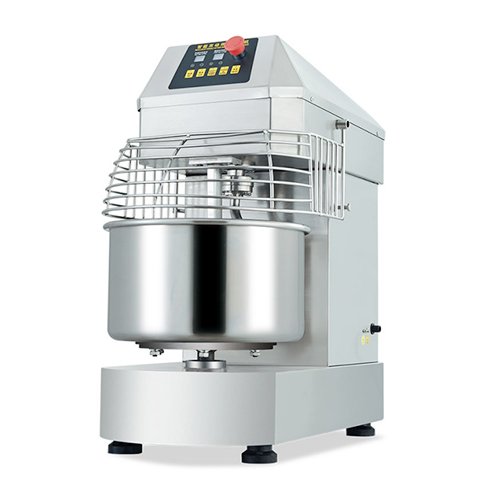
In today’s competitive food service industry, consistency and efficiency are paramount. Commercial double action dual speed spiral dough mixers represent the pinnacle of professional baking equipment, designed to meet the demanding requirements of high-volume food production facilities.
These sophisticated machines combine innovative engineering with practical functionality, featuring a unique spiral mixing action that ensures thorough ingredient incorporation while maintaining optimal dough structure. The double action mechanism provides superior mixing performance compared to traditional single-action alternatives.
Who Benefits from Professional Spiral Dough Mixing Technology?
Primary Target Markets
Commercial Bakeries require reliable equipment capable of handling multiple batch sizes throughout demanding production schedules. Professional spiral mixers accommodate varying production volumes while maintaining consistent results.
Restaurant Chains benefit from standardized mixing processes that ensure uniform product quality across multiple locations. The dual speed functionality allows operators to adjust mixing intensity based on specific recipe requirements.
Food Production Facilities leverage these mixers for large-scale operations where consistency and efficiency directly impact profitability. The robust construction withstands continuous commercial use.
Artisan Bakeries appreciate the precise control these mixers provide, enabling them to maintain traditional quality standards while increasing production capacity.
When Should Food Service Operations Consider Upgrading Their Mixing Equipment?
Critical Decision Points
Expansion Planning: When businesses anticipate increased production demands, investing in professional-grade mixing equipment becomes essential for scaling operations effectively.
Quality Consistency Issues: Operations experiencing inconsistent dough quality should evaluate their current mixing processes. Professional spiral mixers eliminate many variables that contribute to batch-to-batch variations.
Labor Cost Optimization: As labor costs increase, automated mixing solutions become more economically attractive. Professional mixers reduce manual labor requirements while improving productivity.
Equipment Replacement Cycles: When existing equipment reaches end-of-life, upgrading to modern spiral mixer technology provides long-term operational benefits.
Where Do Commercial Spiral Mixers Excel in Food Service Environments?
Optimal Installation Environments
High-Volume Production Areas benefit from the robust construction and consistent performance these mixers provide during peak production periods.
Temperature-Controlled Environments allow operators to maintain optimal dough temperatures throughout the mixing process, crucial for yeast-based products.
Centralized Production Facilities utilize these mixers for batch production that supplies multiple service points or retail locations.
Specialized Baking Operations requiring precise gluten development control find spiral mixers essential for achieving desired dough characteristics.
Why Choose Double Action Dual Speed Technology?
Competitive Advantages
Enhanced Mixing Efficiency: The double action mechanism provides superior ingredient distribution compared to conventional mixing methods, reducing mixing times while improving dough quality.
Versatile Speed Control: Dual speed functionality accommodates different mixing requirements, from gentle ingredient incorporation to intensive gluten development.
Improved Dough Structure: Spiral mixing action maintains dough integrity while ensuring thorough mixing, crucial for achieving optimal texture in finished products.
Reduced Oxidation: The efficient mixing process minimizes air incorporation, preserving dough color and extending product shelf life.
Energy Efficiency: Modern spiral mixers consume less energy per batch compared to older mixing technologies, reducing operational costs.
How to Select the Right Capacity for Your Operation?
Capacity Considerations
Small Operations (5-12kg): Ideal for artisan bakeries, small restaurants, or specialty food operations with limited daily production requirements.
Medium Operations (15-25kg): Suitable for mid-size bakeries, hotel kitchens, or catering operations with moderate volume needs.
Large Operations (30-50kg): Perfect for commercial bakeries, large restaurants, or food service operations with high daily production volumes.
Industrial Operations (100kg): Designed for large-scale food production facilities, major bakery chains, or commercial food manufacturers.
Selection Criteria
Daily Production Volume: Calculate peak daily mixing requirements to determine appropriate capacity. Consider future growth when sizing equipment.
Batch Frequency: Operations requiring frequent small batches may prefer smaller capacity mixers for flexibility, while high-volume operations benefit from larger capacity units.
Space Constraints: Evaluate available floor space and ceiling height to ensure proper installation and operation access.
Power Requirements: Verify electrical infrastructure compatibility with mixer specifications before selection.
Workflow Integration: Consider how the mixer integrates with existing production workflows and downstream processing equipment.
Key Features That Drive Commercial Success
Performance Characteristics
Robust Construction: Commercial-grade components ensure reliable operation under demanding conditions while minimizing maintenance requirements.
User-Friendly Controls: Intuitive operation panels reduce training time and minimize operator errors during production.
Safety Features: Comprehensive safety systems protect operators while ensuring compliance with food service regulations.
Easy Maintenance: Accessible components and straightforward maintenance procedures minimize downtime and service costs.
Hygienic Design: Smooth surfaces and accessible cleaning points facilitate thorough sanitation between production runs.
Investment Considerations for Food Service Operations
Financial Benefits
Operational Efficiency: Reduced mixing times and consistent results improve overall production efficiency, directly impacting profitability.
Labor Savings: Automated mixing processes reduce manual labor requirements, allowing staff reallocation to value-added activities.
Product Consistency: Standardized mixing ensures uniform product quality, reducing waste and customer complaints.
Equipment Longevity: Professional-grade construction provides extended service life, improving return on investment.
Energy Efficiency: Modern spiral mixers consume less energy per batch, reducing ongoing operational costs.
Maintenance and Operational Best Practices
Maximizing Equipment Performance
Regular Cleaning: Implement thorough cleaning protocols between production runs to maintain hygiene standards and prevent flavor transfer.
Preventive Maintenance: Follow manufacturer maintenance schedules to ensure optimal performance and extend equipment life.
Operator Training: Provide comprehensive training to ensure proper operation and maximize equipment capabilities.
Temperature Management: Monitor dough temperatures throughout mixing to achieve consistent results and prevent over-mixing.
Recipe Optimization: Adjust mixing times and speeds based on specific recipe requirements to achieve optimal dough characteristics.
