
Commercial Spiral Dough Mixer for Consistent Dough Production in Professional Kitchens
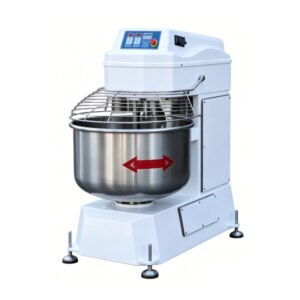
For bakeries, pizza shops, restaurants, hotel kitchens, central kitchens and food processing operations, dough preparation is one of the most important parts of daily production. A reliable commercial spiral dough mixer helps kitchen teams produce smoother, more consistent dough while reducing manual effort and improving workflow. When dough quality affects bread texture, pizza crust structure, pastry handling and overall product consistency, choosing the right commercial dough mixer becomes a practical production decision rather than a simple equipment purchase.
A professional spiral dough mixer is designed for commercial dough kneading applications where strength, consistency and repeatable operation matter. It is suitable for preparing bread dough, pizza dough, bun dough, noodle dough, pastry dough and other flour-based dough products in demanding foodservice environments. For businesses that need dependable dough preparation every working day, a commercial spiral dough mixer can become a core part of the production line.
This guide explains where a commercial spiral dough mixer fits, what common kitchen challenges it helps solve, what advantages it brings to different commercial scenarios and how buyers can evaluate whether this type of professional dough mixing equipment is suitable for their operation.
Looking for a commercial spiral dough mixer for bakery, restaurant, hotel kitchen or food production use? View the product details here: Commercial Spiral Dough Mixer.
Why Do Professional Kitchens Need a Commercial Spiral Dough Mixer?
In a commercial kitchen, dough mixing must be stable, repeatable and efficient. Hand kneading can be useful for small test batches, but it is not suitable for production environments where staff need to prepare dough consistently during daily operations. A heavy duty dough mixer helps reduce the uncertainty caused by manual kneading and supports a more organized production process.
A commercial spiral dough mixer uses a spiral mixing arm and rotating bowl movement to knead dough efficiently. This design is especially useful for bread, pizza and other dough types that require structure and elasticity. Instead of relying heavily on manual strength, kitchen staff can use the machine to support consistent dough preparation across production batches.
For commercial kitchens, the value is not only in mixing dough faster. It is also about improving workflow, reducing physical workload, supporting product consistency and helping staff focus on shaping, proofing, baking and service preparation.
Stable Dough TextureA spiral dough mixer helps produce dough with a more uniform structure, making it easier for staff to divide, shape and process during busy production. |
Easier Daily WorkflowCommercial kitchens can prepare dough with less manual handling, helping teams organize production more efficiently during peak working hours. |
Commercial DurabilityA commercial dough mixer is built for professional food preparation environments where dough production is part of regular operations. |
Which Commercial Scenarios Are Suitable for a Spiral Dough Mixer?
A commercial spiral dough mixer is suitable for many professional foodservice settings. The right application depends on the type of dough, kitchen workflow and production requirements. Below are the main commercial environments where this machine can provide practical value.
Bakeries and Bread ProductionFor bakeries, a bakery dough mixer helps prepare dough for bread, buns, rolls and pastry items. Consistent kneading supports smoother production and makes the dough easier to handle during dividing, shaping and proofing. Useful for bakeries that need repeatable dough quality and organized daily preparation. |
Pizza Shops and PizzeriasA pizza dough mixer is important for kitchens that prepare pizza dough in-house. Spiral mixing helps create dough with stable elasticity, making it easier to portion, stretch and prepare for service. Suitable for pizza shops that want consistent dough handling during daily service. |
Restaurants and Commercial KitchensA dough mixer for restaurant use can support kitchens that prepare bread, pizza, noodles, buns or flour-based menu items. It reduces manual kneading and helps staff keep preparation more consistent. A practical choice for restaurants with regular dough preparation needs. |
Hotels and Catering KitchensHotel kitchens and catering operations often prepare different dough products for breakfast service, banquets, buffet stations and event menus. A dough mixer for hotel kitchen use supports flexible dough preparation with less manual workload. Helpful for kitchens serving varied menus and frequent production schedules. |
Central KitchensA central kitchen dough mixer helps support standardized preparation across multiple outlets or service points. Centralized dough mixing can help improve consistency and make production planning easier. Suitable for operations that need centralized preparation and stable dough output. |
Food Processing FacilitiesA food processing dough mixer is useful for facilities producing flour-based products in larger batches. A stronger industrial dough mixer supports heavy production needs and helps maintain reliable preparation processes. Designed for professional production environments with demanding dough preparation requirements. |
What Kitchen Challenges Can a Commercial Dough Mixer Help Reduce?
Commercial dough preparation can create several operational challenges. These are not only technical issues; they affect labor scheduling, product consistency, preparation time and kitchen organization. A commercial spiral dough mixer helps address these challenges in a practical way.
| Common Kitchen Challenge | How a Spiral Dough Mixer Helps | Practical Result for the Kitchen |
|---|---|---|
| Inconsistent dough texture | Supports more even mixing and kneading for bread dough, pizza dough and pastry dough. | Dough becomes easier to divide, shape and process during production. |
| Heavy manual kneading workload | Reduces the need for intensive hand kneading in commercial preparation. | Staff can focus more on preparation, shaping, baking and service tasks. |
| Limited batch handling | A large capacity dough mixer supports larger commercial production needs. | Kitchen teams can organize dough preparation more efficiently. |
| Unstable workflow during service preparation | Commercial mixing equipment helps standardize the dough preparation stage. | Production becomes easier to plan and coordinate. |
| Difficulty supporting menu expansion | A professional dough mixer can support multiple flour-based products. | Kitchens can prepare different dough items with a more reliable process. |
What Are the Key Advantages of This Commercial Spiral Dough Mixer?
A well-selected commercial bakery mixer should match the working conditions of a professional kitchen. The commercial spiral dough mixer linked in this article is suitable for bakery and food processing use, with features designed for commercial dough production.
Large Capacity OptionsSuitable for operations that need to process commercial dough batches for bakery, restaurant, hotel kitchen, central kitchen and food production use. |
Stainless Steel BowlA stainless steel dough mixer is practical for food preparation areas because it supports professional kitchen cleaning and daily food handling needs. |
Dual Speed OperationA dual speed dough mixer gives operators more flexibility when working with different dough types and preparation stages. |
Strong Commercial MotorThe machine is designed for professional dough kneading applications where heavier dough and repeated preparation require dependable power. |
Wide Dough CompatibilitySuitable for bread dough, pizza dough, bun dough, noodle dough, pastry dough and other commercial flour-based dough products. |
Professional Production FitSuitable for kitchens and production spaces that need dedicated dough mixing machinery for regular commercial preparation. |
How Does a Spiral Dough Mixer Compare with a Commercial Planetary Mixer?
Commercial buyers often compare a spiral dough mixer vs planetary mixer before selecting equipment. Both machines can support professional kitchen work, but they are designed for different preparation tasks. A commercial spiral dough mixer is mainly used for dough kneading, while a commercial planetary mixer is more versatile for batter, cream, fillings, sauces and lighter dough preparation.
If your kitchen mainly prepares bread dough, pizza dough, bun dough or noodle dough, a spiral mixer is usually the more suitable direction. If your operation needs one machine for a wider range of lighter mixing tasks, a commercial planetary mixer may also be considered. The right choice depends on your menu, workflow and the type of preparation your staff handle most often.
| Equipment Choice | Best Fit | Main Consideration |
|---|---|---|
| Commercial spiral dough mixer | Bread dough, pizza dough, bun dough, noodle dough and other commercial dough production. | Best suited when dough production is a key part of daily kitchen operation. |
| Commercial planetary mixer | Batter, cream, fillings, sauces and lighter dough preparation. | More versatile for kitchens that prepare a wider range of products, but less specialized for heavy dough work. |
| Industrial dough mixer | Large production spaces, central kitchens and food processing facilities. | Useful when production planning requires heavier-duty dough preparation equipment. |
| Commercial bakery mixer | Bakery departments, pastry production and flour-based food preparation. | Selection depends on whether the kitchen focuses mainly on dough or needs broader mixing functions. |
What Should Buyers Check Before Choosing a Commercial Dough Mixer?
Before purchasing a commercial dough mixer machine, buyers should review the machine in relation to their kitchen layout, dough type and production plan. The goal is to select equipment that fits the actual working environment.
Important Buying Considerations
The best commercial spiral dough mixer should match your dough type, kitchen workflow, production space and long-term operating needs.
- Confirm the dough products your kitchen prepares most frequently.
- Choose a capacity that supports your daily production needs without making operation inefficient.
- Review whether the machine size fits your kitchen layout and preparation area.
- Check whether the available power supply matches the equipment requirement.
- Consider how staff will load ingredients, remove dough and clean the equipment after use.
- Select a supplier that can provide clear product information and purchasing support.
Why This Commercial Spiral Dough Mixer Is a Practical Purchasing Choice
For commercial kitchens that prepare dough regularly, a dedicated commercial spiral dough mixer provides a more professional approach to dough production. It supports larger commercial preparation needs, helps improve consistency and reduces the physical burden of manual kneading.
The product is suitable for a wide range of commercial foodservice operations, including bakeries, pizza shops, restaurants, hotel kitchens, catering kitchens, central kitchens and food processing facilities. Its stainless steel bowl, dual speed operation and commercial production design make it suitable for buyers looking for a large capacity dough mixer for professional use.
If your kitchen needs a machine for bread dough, pizza dough, bun dough, noodle dough or pastry dough, this commercial spiral dough mixer is worth considering as part of your dough preparation workflow.
View the product page for more details: Commercial Spiral Dough Mixer.
Frequently Asked Questions
What is a commercial spiral dough mixer used for?
A commercial spiral dough mixer is used for mixing and kneading dough in professional kitchens. It is suitable for bread dough, pizza dough, bun dough, noodle dough, pastry dough and other flour-based food preparation in bakeries, restaurants, hotels, central kitchens and food processing facilities.
Is a spiral dough mixer suitable for pizza shops?
Yes. A spiral dough mixer is suitable for pizza shops that prepare dough regularly. It helps produce dough with stable texture and elasticity, making it easier for staff to portion, stretch and prepare pizza bases for service.
How do I choose the right dough mixer capacity?
Choose capacity based on the amount of dough your kitchen needs to prepare, the type of dough, the available workspace and the way your team organizes production. A bakery, pizza shop, hotel kitchen or food processing facility should select a machine that supports daily production without creating workflow pressure.
What is the difference between a spiral dough mixer and a commercial planetary mixer?
A spiral dough mixer is mainly designed for dough kneading, especially bread dough and pizza dough. A commercial planetary mixer is more versatile and can be used for batter, cream, fillings, sauces and lighter dough preparation. If dough production is a major part of daily kitchen work, a commercial spiral dough mixer is often the more suitable choice.
Is a stainless steel dough mixer easier to manage in commercial kitchens?
A stainless steel dough mixer is practical for commercial food preparation because stainless steel surfaces are suitable for professional kitchen handling and routine cleaning. This makes it a preferred material for many foodservice preparation areas.
What should I check before ordering a commercial dough mixer?
Before ordering, check your dough type, production plan, kitchen layout, power supply, cleaning workflow and preferred capacity. It is also helpful to contact the supplier with your intended commercial scenario so they can recommend a suitable machine.
Ready to Upgrade Your Dough Preparation Workflow?
If your bakery, restaurant, hotel kitchen, pizza shop, central kitchen or food processing operation needs a reliable commercial spiral dough mixer, review the product details or contact the team for purchasing support.
