
Commercial Planetary Mixer Buying Guide for Bakeries and Commercial Kitchens
A commercial planetary mixer is one of the most useful pieces of bakery equipment for restaurants, cafes, hotel kitchens, bakeries and commercial kitchens that prepare dough, batter, cream, fillings and other mixed products during daily operation. When selected properly, it can help kitchen teams organize preparation work, reduce repeated manual mixing and support more consistent results across different menu items.
In commercial kitchens, this equipment is often described in different ways depending on the application. Some kitchen teams may call it a commercial stand mixer, bakery mixer, food mixer, cake mixer or dough mixer. These terms often refer to the same category of commercial mixing equipment when the unit is designed for bakery and food service preparation. The right choice depends on menu type, kitchen workflow, available space, mixing tasks and how the equipment will fit into daily preparation.
For a restaurant, a planetary mixer may support sauces, batters and dough preparation before service. For a bakery, it may be used for cake batter, cream, cookie dough and pastry work. For a hotel kitchen or central kitchen, it can help make batch preparation easier to manage. The goal is not simply to add another machine to the kitchen, but to choose equipment that supports a smoother preparation process and more organized workflow.
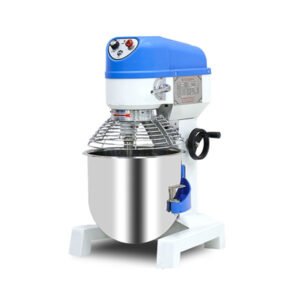
What Is a Commercial Planetary Mixer?
A commercial planetary mixer is a mixing machine designed for professional kitchen and bakery use. Its mixing tool moves around the bowl while rotating on its own axis, helping ingredients combine from different directions. This movement makes the equipment suitable for a range of preparation tasks, including batter mixing, dough preparation, whipping, blending and general bakery mixing.
Unlike a machine built for only one narrow task, a commercial planetary mixer can often work with different mixing tools such as a flat beater, dough hook and wire whip, depending on the recipe type and kitchen process. A flat beater is commonly used for batters and soft mixtures, a dough hook is used for dough preparation, and a wire whip is used for aerated mixtures such as cream or egg-based preparation.
For professional kitchens, this flexibility is useful because one unit can support different menu sections. A bakery may use it during morning preparation, while a restaurant kitchen may use it for sauces, fillings and dessert work. If you are reviewing equipment options for a bakery or commercial kitchen, you can View Equipment Details to compare suitable commercial planetary mixer options.
Kitchen value:
A commercial planetary mixer can support different preparation tasks in one organized mixing station, which helps kitchen teams manage daily baking and food preparation more efficiently.
Which Commercial Kitchens Can Use a Commercial Planetary Mixer?
A commercial planetary mixer can be used in many professional food service environments. Its value depends on how often the kitchen prepares dough, batter, cream, fillings, sauces or mixed products. The following table shows common commercial kitchen scenarios and how this equipment may support daily work.
| Commercial Kitchen Scenario | Typical Use | How This Equipment Helps |
|---|---|---|
| Bakery | Cake batter, pastry preparation, cream and cookie dough | Supports repeated mixing tasks and helps keep preparation steps organized. |
| Restaurant | Desserts, sauces, dough and fillings | Helps kitchen teams prepare menu components before busy service periods. |
| Cafe | Cakes, muffins, cookies and beverage-related preparation | Makes small-batch commercial preparation easier to manage. |
| Hotel Kitchen | Breakfast pastries, desserts and banquet preparation | Supports varied preparation needs across different service areas. |
| Catering Business | Batch mixing for event menus | Helps organize preparation when menus change by project or event. |
| Central Kitchen | Standardized preparation for multiple service points | Supports consistent preparation processes across repeated tasks. |
| Food Service Operation | General mixing, whipping and blending | Provides a practical mixing station for daily commercial use. |
How Can One Commercial Planetary Mixer Fit Different Applications?
Depending on the kitchen application, the same equipment may be described with different terms. A bakery may call it a bakery mixer, while a restaurant may call it a commercial food mixer or commercial stand mixer. These are not always separate products. In many cases, they are practical descriptions of the same type of commercial planetary mixer used for different preparation tasks.
| Commercial Use Case | Related Equipment Terms | How One Commercial Planetary Mixer Helps |
|---|---|---|
| Cake and batter preparation | cake mixer, baking mixer machine, food mixer | Supports smooth mixing for batter-based bakery preparation. |
| Dough preparation | dough mixer, mixer with dough hook, bread mixer | Can handle dough tasks when the bowl size, tool and configuration match the kitchen process. |
| Pastry and dessert work | pastry mixer, bakery mixer, professional mixer | Helps prepare creams, fillings and pastry components in a controlled mixing station. |
| General commercial kitchen preparation | commercial mixer, commercial stand mixer, commercial food mixer | Serves as a flexible mixing unit for kitchens with varied menu needs. |
What Operational Challenges Can a Commercial Planetary Mixer Help With?
Commercial kitchens often repeat the same preparation work every day. A suitable planetary mixer can help make these tasks easier to organize while supporting more predictable preparation quality.
Inconsistent PreparationManual mixing can vary between staff members and shifts. A commercial planetary mixer helps create a more repeatable preparation process. Kitchen value: Supports more consistent preparation across daily work.
|
Heavy Manual WorkRepeated mixing by hand can be tiring during busy preparation periods. A mixer helps reduce the need for continuous manual effort. Kitchen value: Helps reduce manual work during repeated mixing tasks.
|
Busy Service FlowPreparation delays can affect service organization. A dedicated mixer helps complete mixing work before peak service begins. Kitchen value: Helps kitchen teams organize preparation before service.
|
Menu ConsistencyBatter, cream and dough preparation can influence menu stability. The right mixer helps maintain a more organized process. Kitchen value: Supports stable preparation for repeated menu items.
|
How Does a Commercial Planetary Mixer Compare With Other Equipment Options?
A commercial planetary mixer is not the only mixing option in a bakery or commercial kitchen. Spiral mixers, hand mixers and manual preparation may also be used depending on the menu. The comparison below is general and should be considered alongside the actual kitchen workflow and equipment configuration.
| Comparison Point | Commercial Planetary Mixer | Spiral Mixer or Manual Mixing |
|---|---|---|
| Application range | Suitable for dough, batter, cream and general mixing tasks. | A spiral mixer is often focused on dough preparation; manual mixing depends on staff effort. |
| Kitchen flexibility | Can support varied bakery and kitchen preparation when matched with proper tools. | May be suitable for specific workflows but can be less flexible for varied preparation. |
| Daily operation | Works as a practical central mixing unit for many commercial kitchens. | Can be useful when the kitchen has a narrower preparation focus. |
| Equipment planning | Useful when one unit needs to support several preparation categories. | May require additional equipment if the menu includes many different mixing tasks. |
What Should You Consider Before Buying a Commercial Planetary Mixer?
Before selecting a commercial planetary mixer, restaurant owners, chefs and kitchen managers should review how the equipment will be used in real daily operation. The following factors can help guide the purchasing decision.
Menu TypeConsider whether the kitchen prepares cakes, bread, pastry, cookies, cream, fillings or sauces. Different tasks may require different tools and mixing settings. |
Kitchen WorkflowPlace the mixer where staff can load ingredients, operate controls and move finished preparation smoothly to the next station. |
Available Kitchen SpaceCheck the working area around the unit, including bowl access, tool changes, cleaning access and ingredient movement. |
Cleaning and Daily CareChoose equipment that staff can clean properly after repeated use. Bowl, tools and exterior surfaces should fit the kitchen’s cleaning routine. |
Power and Installation PlanningReview the installation environment before ordering. Planning ahead helps avoid layout changes after delivery. |
Staff OperationThe mixer should be practical for the kitchen team to operate during normal preparation without making the workflow more complicated. |
What Advantages Can This Equipment Bring to Daily Operation?
A commercial planetary mixer can bring practical value to daily commercial kitchen work. These advantages are most noticeable when the mixer is selected according to the kitchen’s real preparation needs.
| Kitchen Need | How the Equipment Helps | Practical Result |
|---|---|---|
| Consistent preparation | Provides a controlled mixing process for repeated tasks. | Helps kitchen teams prepare menu items more predictably. |
| Staff efficiency | Reduces continuous hand mixing during busy preparation. | Allows staff to organize other preparation steps more easily. |
| Cleaner workflow | Creates a dedicated mixing station in the kitchen. | Helps keep preparation areas more organized. |
| Menu stability | Supports repeatable preparation for dough, batter and cream. | Helps maintain a steady process for recurring menu items. |
| Equipment planning | Can work as part of a wider bakery equipment setup. | Supports a more organized commercial kitchen layout. |
How Can a One-Stop Equipment Supplier Support Your Kitchen Project?
In a complete commercial kitchen setup, a commercial planetary mixer often works alongside ovens, proofing equipment, dough sheeters, refrigeration equipment, worktables and display equipment. Choosing equipment from one professional supplier helps make communication easier and keeps purchasing more organized.
For a bakery project, equipment selection should consider the full preparation flow: ingredient storage, mixing, dough handling, baking, cooling, display and cleaning. For a restaurant or hotel kitchen, the mixer should also fit the service schedule and menu preparation plan. When the mixer is considered as part of the complete kitchen layout, it is easier to place it in a practical working position.
If you are planning a bakery, restaurant kitchen, cafe preparation area or central kitchen project, you can Contact Us to discuss suitable equipment options for your workflow.
Frequently Asked Questions
What is the difference between a commercial planetary mixer and a spiral mixer?
A commercial planetary mixer is generally more flexible for batter, cream, pastry preparation and some dough tasks. A spiral mixer is commonly focused on dough mixing. The suitable choice depends on the kitchen’s menu, preparation volume and equipment layout.
Is a commercial planetary mixer suitable for a bakery?
Yes, a commercial planetary mixer can be suitable for bakery preparation when the unit matches the bakery’s mixing tasks. It can support cake batter, cream, cookie dough, pastry work and other daily preparation needs.
How do I choose the right commercial planetary mixer for a commercial kitchen?
Consider menu type, bowl capacity, available space, installation requirements, cleaning routine, staff operation and the type of mixing tools required. The mixer should fit the kitchen workflow rather than interrupt it.
What affects the price of a commercial planetary mixer?
Price can be affected by capacity, structure, mixing functions, control design, included tools and overall configuration. Buyers should compare equipment based on actual kitchen needs instead of choosing by price alone.
Can a commercial planetary mixer handle dough preparation?
A commercial planetary mixer can handle dough preparation when the dough type, bowl size, tool and equipment configuration are suitable. For kitchens focused mainly on heavy dough, it may also be useful to compare other dough mixing equipment.
How should a commercial planetary mixer be cleaned and maintained?
Staff should clean the bowl, mixing tools and contact surfaces after use according to the kitchen’s cleaning procedure. The exterior should be kept clear of residue, and the equipment should be checked regularly for proper operation.
What should I check before ordering a commercial planetary mixer?
Check your kitchen space, preparation tasks, installation conditions, power planning, cleaning access and whether the mixer supports the tools needed for your menu. It is also helpful to review how the mixer will work with other bakery equipment.
Is a commercial planetary mixer suitable for restaurants, cafes or hotel kitchens?
Yes, it can be suitable for restaurants, cafes and hotel kitchens that prepare dough, batter, cream, desserts, sauces or fillings as part of daily operation. The correct choice depends on workflow and equipment configuration.
Ready to Upgrade Your Mixing Preparation?
Choose a commercial planetary mixer that fits your restaurant, cafe, hotel kitchen, bakery, commercial kitchen or central kitchen workflow. Contact our team to discuss suitable equipment options for your daily operation.
