
Commercial meat preparation is an important part of many professional kitchens. A well-matched commercial meat grinder can help restaurants, butcher shops, hotel kitchens, catering kitchens and central kitchens prepare minced meat, fillings and meat-based menu items with better workflow and more consistent handling.
Commercial Meat Grinder Guide for Professional Kitchen Meat Preparation
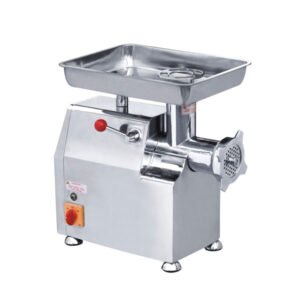
A commercial meat grinder is one of the most practical food preparation machines for kitchens that work with fresh meat on a regular basis. In restaurants, butcher shops, hotel kitchens, catering businesses, takeaway kitchens and central kitchens, the ability to prepare minced meat efficiently can affect how smoothly the kitchen organizes daily production.
Instead of relying only on manual chopping or pre-processed meat, a commercial meat mincer gives kitchen teams more control over texture, portion preparation and menu consistency. It can support tasks such as preparing burger patties, dumpling fillings, meatballs, sausage mixtures, meat sauces, stuffed pastries and other meat-based dishes.
In commercial kitchens, this equipment is often described in different ways depending on the application. Terms such as commercial meat grinder, commercial meat mincer, electric meat grinder, restaurant meat grinder and meat processing equipment may refer to the same type of equipment used for different food preparation needs. The key is not the wording alone, but whether the machine fits the kitchen workload, available space and daily preparation process.
What Is a Commercial Meat Grinder?
A commercial meat grinder is a food preparation machine designed to process boneless meat into minced meat for professional kitchen use. It is commonly used in restaurants, butcher shops, hotel kitchens, catering kitchens and food production rooms where minced meat is prepared frequently.
The machine usually includes a feeding tray, grinding head, cutting components and motor-driven operation. Meat is placed into the feeding area and pushed through the grinding system to create a more uniform minced texture. This makes it easier for kitchen teams to prepare fillings, patties, meatballs and other food items in a controlled way.
For a professional kitchen, the value of a meat grinder is not only about grinding meat. It also helps organize preparation work, reduce repetitive manual cutting and support consistent food output across daily service. When a kitchen prepares similar dishes every day, controlled meat texture can make the preparation process easier to manage.
A commercial meat grinder can be selected in different sizes and capacities depending on the kitchen workload. Smaller units may suit cafés, takeaway kitchens or compact restaurants, while larger machines can support butcher shops, catering kitchens and central kitchens with heavier preparation needs.
Which Commercial Kitchens Can Use a Commercial Meat Grinder?
A commercial meat grinder can be useful in many professional food service environments. The right use depends on the menu, preparation volume and how often meat-based dishes are made.
| Commercial Kitchen Scenario | Typical Use | How This Equipment Helps |
|---|---|---|
| Restaurant | Preparing minced meat for burgers, meatballs, dumplings, sauces and cooked dishes. | Helps organize daily preparation before lunch and dinner service. |
| Butcher Shop | Processing fresh boneless meat into minced meat for daily customer orders. | Supports steady meat preparation with a more consistent texture. |
| Hotel Kitchen | Preparing meat fillings and minced meat dishes for buffet, banquet and staff meal service. | Helps kitchen teams manage repeated preparation tasks across different service periods. |
| Catering Business | Preparing meat-based fillings and menu items for events and delivery menus. | Makes batch preparation easier to organize before service. |
| Cafe or Snack Shop | Preparing meat fillings for pies, buns, sandwiches, pastries and snack items. | Supports compact food preparation for smaller menus. |
| Central Kitchen | Organizing meat preparation for multiple menu items or service locations. | Helps keep preparation more structured when workload is repeated daily. |
| Food Service Operation | Preparing minced meat ingredients for regular commercial food production. | Supports more manageable workflow and consistent preparation results. |
How Can One Commercial Meat Grinder Fit Different Applications?
Depending on the kitchen application, the same equipment may be described with different terms. A commercial meat grinder and a commercial meat mincer often refer to the same equipment category. In some kitchens, the name changes because the food item changes: a restaurant may focus on burger patties, while a dumpling shop may focus on meat fillings.
| Commercial Use Case | Related Equipment Terms | How One Commercial Meat Grinder Helps |
|---|---|---|
| Burger and Patty Preparation | Restaurant meat grinder, electric meat grinder | Helps prepare minced meat with a texture suitable for portioning and shaping. |
| Dumpling and Bun Fillings | Meat mincer, meat filling machine | Supports repeated filling preparation with more consistent minced meat output. |
| Butcher Shop Service | Commercial meat mincer, meat processing equipment | Helps process fresh boneless meat for daily service needs. |
| Sausage Mixture Preparation | Meat grinder machine, meat processing machine | Prepares minced meat before mixing and further processing. |
| Central Kitchen Preparation | Commercial meat grinding machine, food preparation equipment | Supports organized batch preparation for repeated commercial kitchen work. |
These terms do not necessarily mean different products. They often describe the same equipment used in different menu applications. When selecting a machine, kitchen teams should focus on workload, operation style, cleaning needs and available space.
What Operational Challenges Can a Commercial Meat Grinder Help With?
Meat preparation can create several daily challenges in a professional kitchen. The right machine can help make these tasks easier to organize without changing the kitchen’s menu direction.
Inconsistent PreparationManual chopping can create uneven texture, especially when different staff members prepare meat at different times. Kitchen value: A commercial meat grinder supports more consistent minced meat preparation for repeated menu items. |
Heavy Manual WorkPreparing minced meat by hand can add pressure to kitchen teams, especially before busy meal periods. Kitchen value: The machine helps reduce repetitive cutting work and allows staff to organize preparation more efficiently. |
Busy Service FlowRestaurants and takeaway kitchens often need ingredients ready before orders start arriving. Kitchen value: A commercial meat mincer helps kitchen teams prepare meat-based ingredients ahead of service. |
Limited Kitchen SpaceCompact kitchens need equipment that supports daily work without disrupting movement and preparation areas. Kitchen value: Choosing the right size helps the grinder fit into the kitchen workflow more naturally. |
Cleaning PressureMeat preparation equipment requires careful daily cleaning to keep the preparation process organized and suitable for food service environments. Kitchen value: Selecting a machine that is convenient to disassemble and clean can make daily care easier to manage. |
How Does a Commercial Meat Grinder Compare With Other Equipment Options?
A commercial meat grinder is designed specifically for mincing boneless meat. It can work alongside other food preparation machines, but it should not be confused with equipment used for chopping vegetables, mixing fillings or slicing meat. Each machine has its own place in a professional kitchen.
| Comparison Point | Commercial Meat Grinder | Alternative Equipment |
|---|---|---|
| Main Function | Mincing boneless meat into a suitable texture for fillings, patties and cooked dishes. | Slicers, cutters or mixers may handle other preparation tasks but are not always designed for meat mincing. |
| Texture Control | Supports more uniform minced meat output for repeated preparation. | Manual cutting or general-purpose machines may produce less consistent results depending on staff skill and task type. |
| Daily Workflow | Fits kitchens that regularly prepare minced meat dishes. | Other machines may still be needed for mixing, slicing or vegetable preparation. |
| Kitchen Planning | Works well as part of a meat preparation station. | A complete setup may include worktables, refrigerators, mixers and other food preparation equipment. |
For kitchens that prepare both minced meat and mixed fillings, a commercial meat grinder may be used before a mixer. For kitchens that also portion or slice meat, additional equipment may be needed. The right setup depends on menu type and kitchen workflow.
What Should You Consider Before Buying a Commercial Meat Grinder?
Before selecting a commercial meat grinder, restaurant owners, chefs and kitchen managers should look at how the equipment will fit real daily work. A machine that looks suitable on paper still needs to match the kitchen’s menu, space and staff operation habits.
Menu TypeConsider whether your kitchen mainly prepares patties, dumpling fillings, meatballs, sausage mixtures, sauces or cooked minced meat dishes. Different menu items may require different preparation habits. |
Kitchen WorkflowThink about when meat is prepared, where it is prepared and which staff members use the equipment. The grinder should fit naturally into the preparation line. |
Available Kitchen SpaceMeasure the preparation area and consider nearby worktables, refrigeration and cleaning access. A compact unit may be useful where space is limited, while a larger unit may suit heavier preparation work. |
Power and Installation PlanningCheck the kitchen’s electrical setup before ordering. If voltage, plug type or market-specific configuration needs to be confirmed, share your requirement with the equipment team before purchase. |
Cleaning and Daily CareMeat preparation equipment should be cleaned carefully after use. Consider how easy the machine is to access, disassemble and maintain as part of daily kitchen routines. |
If you want to compare different commercial meat grinder options for your kitchen layout, you can View Commercial Equipment Options and choose a machine that matches your preparation needs.
What Advantages Can This Equipment Bring to Daily Operation?
A commercial meat grinder can bring practical value to daily kitchen work when it is selected and used properly. The advantages are most visible in kitchens that prepare minced meat regularly.
| Kitchen Need | How the Equipment Helps | Practical Result |
|---|---|---|
| Consistent Preparation | Creates a more uniform minced meat texture than repeated manual cutting. | Helps keep menu items more stable across daily preparation. |
| Staff Efficiency | Reduces repetitive manual chopping for meat-based dishes. | Allows kitchen teams to focus on seasoning, portioning, cooking and service preparation. |
| Cleaner Workflow | Keeps meat processing in a defined preparation area. | Makes the preparation process easier to organize and supervise. |
| Menu Stability | Supports regular preparation of the same minced meat texture. | Helps restaurants and kitchens keep familiar menu quality for repeat orders. |
| Equipment Planning | Can be paired with worktables, refrigerators, mixers and other preparation equipment. | Supports a more organized commercial kitchen setup. |
How Can a One-Stop Equipment Supplier Support Your Kitchen Project?
In a complete commercial kitchen setup, a commercial meat grinder often works alongside stainless steel worktables, refrigeration equipment, food mixers, vegetable preparation machines, cooking equipment and cleaning equipment. Choosing equipment from one professional supplier helps make communication easier and keeps purchasing more organized.
For a restaurant or central kitchen project, the meat grinder is only one part of the preparation flow. The surrounding layout also matters. Meat may need to move from cold storage to preparation, grinding, mixing, portioning and cooking. When equipment is planned together, the kitchen team can arrange these steps in a more logical way.
If you are planning a new kitchen, expanding a meat preparation area or upgrading food preparation machinery, you can Contact Us to discuss suitable equipment options based on your menu, kitchen space and daily operation.
Frequently Asked Questions
What is the difference between a commercial meat grinder and a meat mincer?In many commercial kitchens, the two terms describe the same type of equipment. Both refer to a machine used to process boneless meat into minced meat for patties, fillings, meatballs, sauces and other food preparation tasks. |
Is a commercial meat grinder suitable for restaurants?Yes, it can be suitable for restaurants that regularly prepare minced meat dishes, burger patties, meatballs, dumpling fillings or meat sauces. The right model should match the restaurant’s menu type, workload and available preparation space. |
How do I choose the right commercial meat grinder for a commercial kitchen?Consider your daily preparation needs, kitchen layout, meat type, cleaning routine, staff operation and electrical configuration. A compact kitchen may need a smaller unit, while a busier preparation area may need a machine designed for heavier use. |
What affects the price of a commercial meat grinder?Price can be affected by machine size, motor configuration, material design, grinding capacity, construction quality and market-specific requirements. It is better to compare equipment based on real kitchen workload instead of looking only at the initial price. |
Can a commercial meat grinder handle regular meat filling preparation?A commercial meat grinder can support meat filling preparation when the meat is suitable for grinding and the machine is matched to the kitchen workload. It is often used before seasoning, mixing, portioning or forming. |
How should a commercial meat grinder be cleaned and maintained?The machine should be cleaned carefully after use according to the equipment instructions. Food-contact parts should be handled properly, and the grinding components should be checked regularly as part of daily kitchen care. |
What should I check before ordering a commercial meat grinder?Check your kitchen space, electrical requirements, expected preparation workload, cleaning access and menu applications. If voltage, plug type or configuration needs to be confirmed, share your requirement before ordering. |
Is a commercial meat grinder suitable for cafes or hotel kitchens?It can be suitable when the kitchen prepares meat-based menu items such as pastries, sandwiches, meat sauces, buffet dishes or banquet fillings. The right choice depends on how often the kitchen prepares minced meat and how the equipment fits the preparation area. |
Ready to Upgrade Your Meat Preparation?
Choose a commercial meat grinder that fits your restaurant, cafe, hotel kitchen, butcher shop, catering kitchen, commercial kitchen or central kitchen workflow. Contact our team to discuss suitable equipment options for your daily operation.
