
Commercial Meat Slicer Guide for Restaurants, Delis and Commercial Kitchens
A commercial meat slicer is an important preparation machine for restaurants, delis, hotel kitchens, catering kitchens, central kitchens and food service operations that need consistent slicing for meat, ham, bacon, cooked meat, cheese and deli items. In a busy kitchen, slicing work affects preparation speed, portion control, menu presentation and the flow of service.
Depending on the kitchen application, the same equipment may be described with different terms, such as deli meat slicer, electric meat slicer, automatic meat slicer, semi-automatic meat slicer or commercial meat slicer machine. These terms do not always mean different products. They often describe the same type of slicing equipment used in different commercial food preparation environments.
Explore Commercial Meat Slicer Options
Choose slicing equipment that fits your restaurant, deli, hotel kitchen, catering kitchen or central kitchen workflow.
What Is a Commercial Meat Slicer?
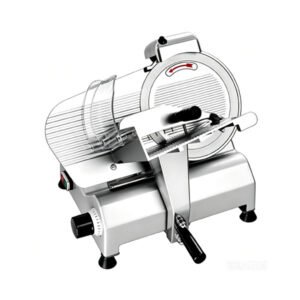
A commercial meat slicer is a food preparation machine designed to slice suitable food items into controlled thicknesses. In professional kitchens, it is commonly used for cooked meat, ham, bacon, luncheon meat, roast meat, cheese and deli food preparation. It helps kitchen teams create more uniform slices compared with hand cutting, while also making repeated preparation tasks easier to organize.
Commercial meat slicers are used in different formats. Some kitchens choose a semi-automatic meat slicer for routine slicing tasks where the operator controls the carriage movement. Other kitchens choose a fully automatic meat slicer when repeated batch slicing is part of daily preparation. Countertop slicers are suitable for many restaurants, cafes and delis, while floor-standing slicers may be considered for larger commercial kitchen layouts that need a dedicated slicing station.
For food service operators, the value of a commercial meat slicer is not only the cutting function. It can help improve workflow, support more consistent menu preparation, reduce repeated manual work and make daily slicing tasks easier to manage. If you are comparing different slicer sizes and configurations, you can Explore Product Range to review commercial meat slicer options for different kitchen needs.
Which Commercial Kitchens Can Use a Commercial Meat Slicer?
A commercial meat slicer can be useful in many professional food preparation environments. The right slicer depends on the menu, preparation volume, available space, staff workflow and the types of food being sliced.
| Commercial Kitchen Scenario | Typical Use | How This Equipment Helps |
|---|---|---|
| Restaurant | Slicing ham, cooked meat, bacon and cheese for sandwiches, burgers, pizzas and plated dishes. | Helps kitchen teams prepare portions more consistently before service. |
| Cafe | Preparing sandwich fillings, brunch items, cheese slices and deli-style ingredients. | Supports compact and organized daily preparation for light meals. |
| Hotel Kitchen | Preparing buffet platters, breakfast items, cheese trays and banquet ingredients. | Helps maintain stable presentation across repeated service needs. |
| Deli | Slicing cooked meat, ham, cheese, cold cuts and deli food for display or service. | Supports more controlled slice thickness and cleaner portion handling. |
| Butcher Shop | Preparing suitable meat portions and deli-style sliced products for customers. | Creates a dedicated slicing station for prepared food service. |
| Catering Business | Preparing sliced ingredients for platters, packed meals and event menus. | Helps organize batch preparation before delivery or event service. |
| Central Kitchen | Handling repeated slicing tasks for multiple service points or menu lines. | Supports a more structured preparation process in larger kitchen layouts. |
How Can One Commercial Meat Slicer Fit Different Applications?
In commercial kitchens, this equipment is often described in different ways depending on the application. A deli meat slicer, ham slicer, cheese slicer, electric meat slicer or commercial meat slicer machine may refer to the same general equipment category when used for different food preparation tasks. The key is to select the correct blade size, slicing thickness range, operating type and machine structure for the kitchen workflow.
| Commercial Use Case | Related Equipment Terms | How One Commercial Meat Slicer Helps |
|---|---|---|
| Deli Counter Preparation | Deli meat slicer, cold cut slicer, commercial slicer | Helps prepare consistent slices for display, sandwiches and counter service. |
| Restaurant Ingredient Prep | Electric meat slicer, commercial meat slicer machine | Supports repeated slicing of cooked meat, ham, bacon and cheese before peak service. |
| Hot Pot and Barbecue Service | Meat slicing machine, food slicer, automatic meat slicer | Helps prepare visually consistent portions for table service and menu presentation. |
| Hotel and Catering Platters | Commercial deli slicer, cheese slicer, ham slicer | Supports repeated platter preparation with controlled slice thickness. |
| Central Kitchen Processing | Fully automatic meat slicer, floor-standing meat slicer | Can support larger batch slicing when a dedicated preparation station is needed. |
What Operational Challenges Can a Commercial Meat Slicer Help With?
Daily kitchen work often involves repeated cutting tasks. A commercial meat slicer can help make these tasks easier to manage by improving consistency, reducing manual effort and supporting a more organized preparation flow.
Inconsistent PreparationHand slicing can vary depending on staff skill, product condition and workload. A slicer helps kitchens prepare more uniform portions for repeated menu items. Kitchen value: More controlled slices for sandwiches, platters, deli service and hot pot preparation.
|
Heavy Manual WorkRepeated knife work can place pressure on kitchen staff during preparation periods. A slicer helps reduce repeated hand cutting. Kitchen value: Easier daily preparation when slicing is part of regular kitchen work.
|
Busy Service FlowRestaurants and delis often need ingredients ready before orders arrive. Slicing equipment supports preparation ahead of busy service. Kitchen value: Smoother preparation for lunch service, dinner service, buffets and catering menus.
|
Menu ConsistencyConsistent slice thickness helps keep menu presentation stable, especially when different staff members handle preparation. Kitchen value: More predictable food appearance and portion handling across daily operation.
|
Limited Kitchen SpaceSome kitchens need slicing capacity without a large preparation line. Countertop slicers can fit many commercial layouts, while larger units suit dedicated stations. Kitchen value: Flexible equipment planning based on available space and slicing workload.
|
Cleaning PressureSlicing areas need regular cleaning as part of kitchen care. Choosing a suitable machine design can make routine cleaning easier to organize. Kitchen value: Better daily care planning around preparation and closing procedures.
|
How Does a Commercial Meat Slicer Compare With Other Equipment Options?
A commercial meat slicer is designed for slicing suitable food items into controlled portions. It does not replace all cutting tools in a kitchen, but it can handle repeated slicing work more consistently than manual cutting in many commercial settings.
| Comparison Point | Commercial Meat Slicer | Manual Knife Cutting |
|---|---|---|
| Slice Thickness | Allows operators to set a controlled slicing thickness within the machine range. | Depends heavily on staff skill and attention during repeated cutting. |
| Repeated Preparation | Suitable for repeated slicing tasks before service or during batch preparation. | Can be practical for small quantities or irregular cutting tasks. |
| Food Presentation | Helps create more uniform slices for deli display, platters and menu items. | May produce varied results when several staff members prepare the same item. |
| Kitchen Workflow | Creates a dedicated slicing station and helps organize preparation. | Requires cutting board space and ongoing staff attention. |
| Suitable Tasks | Meat, ham, bacon, cooked meat, cheese and suitable deli foods. | Flexible for many cutting styles that do not require uniform thin slicing. |
What Should You Consider Before Buying a Commercial Meat Slicer?
The right commercial meat slicer depends on how your kitchen prepares food every day. Restaurant owners, chefs and kitchen managers should consider the menu structure, preparation flow and available space before choosing a slicer.
Menu TypeConsider whether your kitchen mainly slices ham, cooked meat, bacon, cheese, deli items or hot pot portions. Menu type affects blade size, thickness range and operating style. |
Kitchen WorkflowCheck where slicing happens in your preparation process. A slicer should support your daily movement between storage, preparation, cooking and service areas. |
Available Kitchen SpaceCountertop units may be suitable for many restaurants and cafes. Larger countertop or floor-standing units may fit kitchens that need a dedicated slicing station. |
Staff OperationSemi-automatic slicers are suitable for many routine tasks. Fully automatic slicers can be considered when repeated batch slicing is part of daily preparation. |
Cleaning and Daily CareReview how the machine will be cleaned after use. Easy access to key areas can help staff manage daily care more consistently. |
Power and Installation PlanningConfirm voltage, plug requirements and placement before ordering. Kitchen managers should also consider nearby workspace and safe operation clearance. |
What Advantages Can This Equipment Bring to Daily Operation?
A commercial meat slicer can support daily kitchen work in practical ways. Its value becomes clearer when slicing is part of the regular preparation process.
| Kitchen Need | How the Equipment Helps | Practical Result |
|---|---|---|
| Consistent Preparation | Supports controlled slicing thickness for repeated menu items. | More stable portions for sandwiches, platters, deli service and hot pot meals. |
| Staff Efficiency | Reduces repeated manual slicing work during preparation. | Staff can organize slicing tasks more easily before busy service periods. |
| Cleaner Workflow | Creates a dedicated area for slicing suitable food items. | Preparation work becomes easier to arrange in the kitchen layout. |
| Menu Stability | Helps keep slice appearance more consistent across different shifts. | Better visual presentation for regular menu items. |
| Equipment Planning | Different slicer sizes and operation types can match different kitchen needs. | More suitable equipment selection for restaurants, delis, hotels and central kitchens. |
How Can a One-Stop Equipment Supplier Support Your Kitchen Project?
In a complete commercial kitchen setup, a commercial meat slicer often works alongside refrigeration equipment, preparation tables, food processors, cooking equipment, dishwashing equipment and storage solutions. Choosing equipment from one professional supplier helps make communication easier and keeps purchasing more organized.
For a restaurant or deli, the slicer may be placed near chilled storage and preparation surfaces. For a hotel kitchen or catering kitchen, it may need to support buffet preparation, banquet service or large ingredient preparation areas. For a central kitchen, the slicer may be part of a wider production workflow with storage, cutting, cooking, packing and cleaning areas.
A professional supplier can help you compare countertop and floor-standing slicers, semi-automatic and fully automatic configurations, blade sizes, machine dimensions and voltage options. If you are planning a commercial kitchen project or need help selecting suitable equipment, you can Contact Us to discuss your kitchen layout and preparation needs.
Frequently Asked Questions
What is the difference between a commercial meat slicer and manual knife cutting?
A commercial meat slicer is designed for repeated slicing with controlled thickness, while manual knife cutting depends more on staff skill and is often better for flexible cutting tasks. For restaurants, delis and hotel kitchens that prepare sliced meat or cheese regularly, a slicer can help make preparation more consistent.
Is a commercial meat slicer suitable for restaurants and cafes?
Yes, a commercial meat slicer can be suitable for restaurants and cafes that prepare sandwiches, brunch items, pizzas, cooked meat portions, cheese slices or deli-style ingredients. The right size and operating type should match the daily preparation workload and available kitchen space.
How do I choose the right commercial meat slicer for a commercial kitchen?
Start with the food items you need to slice, the preferred slicing thickness, the amount of repeated preparation, available counter or floor space and staff workflow. A semi-automatic meat slicer can suit routine slicing, while a fully automatic meat slicer may be considered for repeated batch preparation.
What affects the price of a commercial meat slicer?
The price can be affected by blade size, operating type, machine structure, material design, automatic functions, motor configuration, machine dimensions and packaging requirements. It is practical to compare the slicer based on kitchen use rather than price alone.
Can a commercial meat slicer handle cheese slicing?
Many commercial meat slicers can be used for suitable firm cheese, depending on the machine configuration and product condition. Operators should check the equipment specifications and use the slicer according to the recommended food applications.
How should a commercial meat slicer be cleaned and maintained?
Cleaning should be part of the daily kitchen care routine. Operators should disconnect power before cleaning, remove food residue carefully, clean accessible contact surfaces and follow the machine instructions. Regular checks of the blade, carriage and adjustment parts can help keep operation easier to manage.
What should I check before ordering a commercial meat slicer?
Before ordering, check blade size, slicing thickness range, machine dimensions, operating type, power supply, product application, kitchen placement and packaging size. For project purchasing, it is also useful to confirm how the slicer fits with the rest of the kitchen equipment plan.
Is a commercial meat slicer suitable for hotel kitchens and central kitchens?
A commercial meat slicer can be suitable for hotel kitchens and central kitchens when sliced food preparation is part of daily operation. Larger or fully automatic models may be considered when repeated preparation and a dedicated slicing station are needed.
Ready to Upgrade Your Slicing Preparation?
Choose a commercial meat slicer that fits your restaurant, cafe, deli, hotel kitchen, commercial kitchen or central kitchen workflow. Contact our team to discuss suitable equipment options for your daily operation.
