
Commercial Soft Serve Ice Cream Machine Rental vs Buying: Which Is Better?
If you run a restaurant, café, dessert shop, kiosk, buffet, food truck, or event business,
choosing between commercial soft serve ice cream machine rental and buying can affect your cost,
menu flexibility, production capacity, and long-term operation.
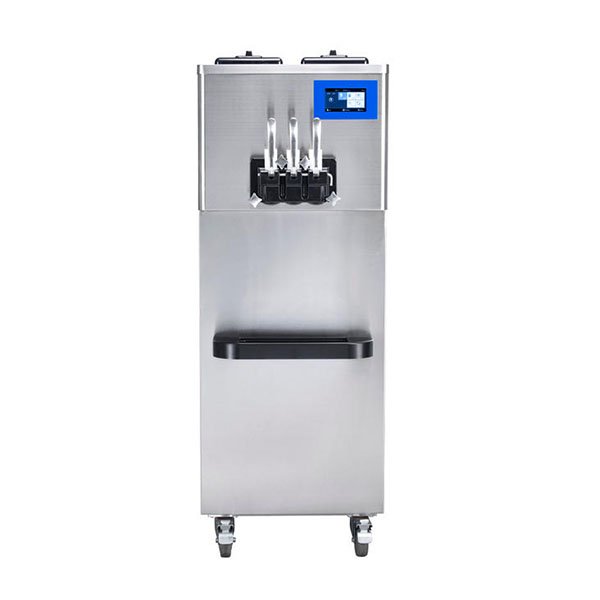
Fast Decision Guide
- ✓ Rent for short-term events, parties, pop-ups, or seasonal testing.
- ✓ Buy for restaurants, dessert shops, cafés, kiosks, and regular sales.
- ✓ Compare capacity, flavor options, hopper size, and power requirements.
- ✓ Consider total operating cost, not only the visible upfront price.
- ✓ Choose commercial-grade equipment when soft serve is part of your menu.
Quick Answer
Renting a commercial soft serve ice cream machine is usually better for short events, temporary promotions,
or testing demand. Buying is usually better when soft serve becomes a regular product in your restaurant,
café, dessert shop, kiosk, buffet, or food truck operation.
Rental Works Better When…
- You need a machine for a one-day or short-term event.
- You are testing whether customers will buy soft serve.
- You do not want to store equipment after use.
- You prefer not to manage long-term equipment maintenance.
- Your soft serve plan is seasonal or temporary.
Buying Works Better When…
- You plan to sell soft serve regularly.
- You want stable menu availability every business day.
- You need control over flavor configuration and capacity.
- You want staff to become familiar with one machine.
- You are building soft serve into a long-term business model.
Commercial Soft Serve Machine Rental vs Buying
For commercial users, the right choice depends on usage frequency, serving volume, space,
staff workflow, power supply, and whether soft serve is temporary or part of your permanent menu.
| Factor | Rental | Buying |
|---|---|---|
| Best Use Case | Events, parties, pop-ups, short campaigns, and temporary menus. | Restaurants, dessert shops, cafés, kiosks, buffets, food trucks, and regular commercial use. |
| Initial Cost | Usually lower for short-term use. | Higher upfront investment. |
| Long-Term Cost | Repeated rental can become costly over time. | May be more practical when the machine is used frequently. |
| Availability | Depends on rental provider schedule and inventory. | Available whenever your business needs it. |
| Capacity Choice | Limited to the models offered by rental suppliers. | You can choose capacity based on expected customer demand. |
| Flavor Flexibility | Depends on the rented machine configuration. | You can select single-flavor, two-flavor, or three-flavor configurations. |
| Operation Control | Limited control over machine model and setup. | More control over workflow, staff training, and daily operation. |
| Maintenance | Depends on the rental agreement. | Owner is responsible for cleaning, maintenance, and long-term care. |
When Does Commercial Soft Serve Machine Rental Make Sense?
Rental is often useful when soft serve is temporary, event-based, or still being tested as a menu idea.
Events and Catering
Weddings, corporate events, fairs, school activities, and private parties may only need a machine for a limited time.
Market Testing
A café, restaurant, or dessert shop can rent first to understand demand before investing in commercial equipment.
Seasonal Campaigns
Pop-ups, summer promotions, festival stands, and temporary menus may not require permanent machine ownership.
When Is Buying a Commercial Soft Serve Ice Cream Machine Better?
Buying is more suitable when soft serve becomes a repeat revenue item instead of a short-term service.
Regular Menu Sales
If soft serve appears on your daily or weekly menu, owning a machine gives you more stable access and helps maintain menu consistency.
Commercial Production Needs
Commercial operators should choose equipment based on expected serving volume, peak-hour demand, and product output.
Flavor and Menu Control
Buying allows you to select a machine that supports your preferred flavor setup, such as single flavor, two flavors, or two base flavors plus one mixed flavor.
Staff Training and Workflow
When your team uses the same machine every day, operation, cleaning, and refilling procedures can become more consistent.
What to Compare Before Buying a Commercial Soft Serve Machine
A commercial soft serve ice cream machine should be selected based on business demand, not only price.
Before buying, compare capacity, flavor configuration, hopper size, cylinder size, power supply,
footprint, cleaning process, and daily usability.
Single flavor, two flavors, or two flavors plus mixed flavor
Match output with expected hourly serving volume
Affects how often staff need to refill mix
Relevant to freezing and dispensing performance
Confirm voltage, phase, frequency, and rated power
Check footprint, height, ventilation, and service space
Understand daily and scheduled cleaning responsibilities
Ask about spare parts, manuals, service guidance, and warranty terms
Tip: When requesting a quote, provide your business type, expected serving volume,
preferred number of flavors, available space, local voltage, and destination country.
Common Commercial Use Scenarios
Different businesses need different machine configurations. Use your real selling situation to guide the decision.
Restaurants and Buffets
Often need stable service during lunch, dinner, or weekend peaks. Menu consistency and staff-friendly operation matter.
Dessert Shops and Cafés
May require flavor flexibility, attractive menu presentation, and enough output for repeat daily sales.
Kiosks and Food Trucks
Need to balance machine capacity with available space, power supply, movement, and service speed.
Questions to Ask Before Renting or Buying
These questions help prevent poor equipment fit, unexpected cost, and operational issues.
Before Renting
- What machine type and flavor configuration will be provided?
- What is the hourly production capacity?
- What power supply does the machine require?
- Are delivery, pickup, and setup included?
- Who is responsible for cleaning after use?
- Is operator training included?
- Are mix, cones, cups, or supplies included?
- What happens if the machine stops working during the event?
Before Buying
- How many servings do I expect during peak hours?
- How many flavors should my menu offer?
- Does my location support the required voltage and power?
- Do I have enough space for operation and ventilation?
- How often will staff need to refill mix?
- What cleaning process is required?
- What spare parts and support are available?
- What is the full landed cost including shipping and taxes?
Common Mistakes to Avoid
A commercial soft serve machine decision should be based on actual operation, not only price or appearance.
Comparing Only the Initial Price
Rental may look cheaper for one event, while buying may make more sense for frequent use. Consider total cost over your expected usage period.
Ignoring Peak-Hour Capacity
A machine that works for low traffic may not keep up during busy periods. Always compare output with your peak demand.
Forgetting Electrical Requirements
Commercial machines may require specific voltage, phase, frequency, and rated power. Confirm this before ordering.
Choosing the Wrong Flavor Setup
A single-flavor machine may be enough for a focused menu, while a multi-flavor machine may suit businesses that need more variety.
Overlooking Cleaning Responsibility
Whether renting or buying, confirm who cleans the machine, how often cleaning is required, and what tools are needed.
Not Planning Space Around the Machine
Check more than the footprint. Consider staff movement, ventilation, mix storage, service area, and cleaning access.
FAQ
Answers to common questions about commercial soft serve ice cream machine rental and buying.
Is it better to rent or buy a commercial soft serve ice cream machine?
Renting is usually better for short-term events or temporary testing. Buying is usually better for businesses that plan to serve soft ice cream regularly as part of their menu.
How much does commercial soft serve machine rental cost?
Rental cost depends on location, rental duration, machine type, delivery, pickup, cleaning, operator support, and included supplies. Request a detailed quote from the rental provider.
What should I check before renting a soft serve machine?
Check machine capacity, flavor configuration, power requirements, rental period, delivery terms, cleaning responsibility, training support, and backup plan if the machine stops working.
When should a restaurant or dessert shop buy instead of rent?
Buying is usually more practical when soft serve is a regular menu item, when the machine is used weekly or daily, or when consistent availability and specific specifications are important.
What specifications matter most when buying?
Key specifications include flavor configuration, hourly capacity, hopper size, cylinder size, power supply, rated power, dimensions, weight, cleaning requirements, and operation features.
Is a 3-flavor commercial soft serve machine useful?
A 3-flavor machine can be useful for businesses that want to offer two base flavors and one mixed flavor from one machine. The right choice depends on your menu, space, and expected serving volume.
Need Help Choosing a Commercial Soft Serve Ice Cream Machine?
Tell us your business type, expected serving volume, flavor needs, available space,
local voltage, and destination. We can help you compare commercial soft serve machine configurations
for your operation.
