
Which Commercial Dough Mixer Is Right for Your Food Business?
Running a successful commercial kitchen demands efficiency, reliability, and absolute consistency. Whether you are operating a bustling bakery, a versatile restaurant, or a large-scale catering service, the foundation of your culinary creations often starts with the perfect dough. Investing in the right commercial dough mixer is not just about buying equipment; it is about upgrading your entire food preparation process, ensuring product quality, and optimizing your kitchen workflow.
How Do Different Mixers Solve Your Kitchen’s Pain Points?
Many food service operators face similar challenges in the kitchen. Choosing the correct mixing equipment directly addresses these critical pain points:
Struggling with Inconsistent Dough Quality?
Manual mixing or using undersized equipment often leads to uneven texture, poor gluten development, and inconsistent flavor profiles. A professional commercial dough mixer provides precise control over mixing speeds and times, ensuring that every single batch meets your exact standards. This consistency is vital for maintaining customer satisfaction and brand reputation.
Facing High Labor Costs and Physical Strain?
Preparing heavy dough by hand is incredibly labor-intensive and physically demanding for your kitchen staff, leading to fatigue and potential workplace injuries. By automating this heavy-duty task, a commercial mixer significantly reduces manual labor requirements. Your skilled chefs can redirect their valuable time and energy toward more profitable tasks, such as recipe creation and final plating.
Need to Handle Diverse Menu Items?
If your menu features everything from artisan bread to delicate whipped creams and mashed potatoes, having single-purpose machines can clutter your kitchen and drain your budget. Certain types of commercial mixers offer interchangeable attachments, providing the ultimate versatility to handle a wide array of recipes with a single footprint.
What Are the Main Types of Commercial Dough Mixers?
Understanding the distinct mechanics and advantages of each mixer type is crucial for making an informed decision. Below, we explore the three primary categories.
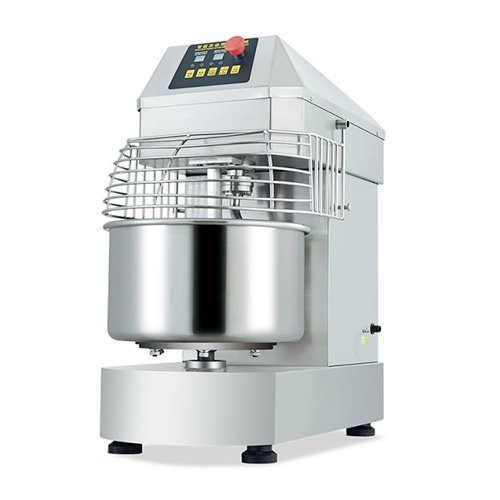 |
Spiral Dough MixerHow it works: In a spiral dough mixer, both the spiral-shaped agitator and the bowl rotate simultaneously. This dual-rotation mechanism gently and efficiently kneads the dough without overworking it. Key Benefits:
|
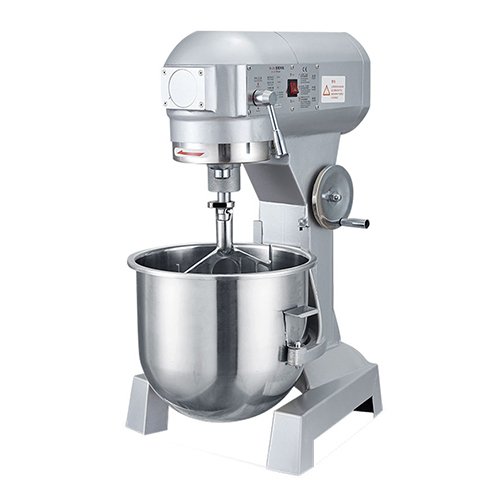 |
Planetary MixerHow it works: The planetary mixer features a stationary bowl while the agitator moves in a planetary motion—spinning on its own axis while revolving around the bowl. This ensures all ingredients are thoroughly incorporated. Key Benefits:
|
 |
Horizontal Dough MixerHow it works: A horizontal dough mixer utilizes a large, horizontal mixing barrel with strong agitator blades that rotate on a horizontal axis. It is built for raw power and massive output. Key Benefits:
|
Which Mixer Fits Your Specific Commercial Scenario?
To maximize your return on investment, your equipment choice must align perfectly with your business model. Here is a breakdown of which mixer suits specific commercial environments:
1. Artisan Bakeries and Pizzerias
If your core business revolves around bread, bagels, or artisan pizzas, the spiral dough mixer is your ultimate solution. These establishments require extensive kneading for proper gluten development. The spiral design ensures the dough is mixed thoroughly without raising its temperature, which is critical for maintaining yeast integrity and achieving the perfect crust and crumb texture.
2. Multi-Menu Restaurants, Cafes, and Hotels
For dynamic kitchens that change their menu frequently or offer a wide variety of items, the planetary mixer is the undisputed champion. A hotel kitchen might need to whip cream for breakfast pastries, mix meatloaf for lunch, and prepare mashed potatoes for dinner. The ability to swap out attachments makes this mixer an indispensable, multi-functional tool for general catering and diverse culinary operations.
3. Large-Scale Catering and Noodle Production
Industrial food production facilities, large commissaries, and businesses specializing in noodles or dumplings face unique challenges. They deal with extremely stiff doughs in massive quantities. The horizontal dough mixer provides the sheer mechanical force required to blend low-moisture ingredients uniformly. Its robust construction ensures continuous operation during peak production cycles, making it the backbone of heavy-duty food manufacturing.
Commercial Dough Mixer Comparison: Spiral vs. Planetary vs. Horizontal
Use the table below to quickly compare the core features of each mixer type and determine the best fit for your operational needs.
| Mixer Type | Primary Function | Ideal Dough Type | Versatility Level | Best Commercial Scenario |
|---|---|---|---|---|
| Spiral Dough Mixer | Gentle, efficient kneading | Heavy, high-hydration (Bread, Pizza) | Dedicated (Dough only) | Bakeries, Pizzerias |
| Planetary Mixer | Whipping, beating, light kneading | Light dough, batters, creams | High (Interchangeable attachments) | Restaurants, Cafes, Hotels |
| Horizontal Dough Mixer | Powerful, heavy-duty blending | Stiff, low-hydration (Noodles, Dumplings) | Dedicated (Heavy mixing) | Industrial Catering, Noodle Production |
Ready to Upgrade Your Kitchen Efficiency?
Selecting the right commercial dough mixer is a pivotal step toward standardizing your recipes, reducing labor fatigue, and scaling your food business. Whether you need the delicate touch of a spiral mixer, the all-around versatility of a planetary mixer, or the industrial strength of a horizontal mixer, investing in premium equipment will yield long-term benefits for your operations.
Do not let outdated or undersized equipment hold your culinary potential back. Equip your kitchen with reliable, high-performance solutions designed for the rigorous demands of the HoReCa industry.
Find the Perfect Match for Your Kitchen Today
Browse our extensive selection of professional mixing equipment or consult with our experts to find the exact model that fits your unique commercial requirements.
