
Commercial Planetary Mixer Buying Guide for Professional Kitchens
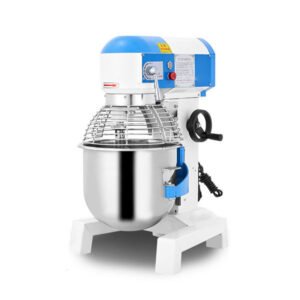
A commercial planetary mixer is one of the most useful food preparation machines in a professional kitchen. For a bakery, restaurant, cafe, hotel kitchen or central kitchen, it helps teams prepare dough, cake batter, cream, fillings, sauces and other kitchen preparations with better consistency and less manual effort. When the same kitchen needs one machine for several preparation tasks, a planetary food mixer offers a practical balance of versatility, durability and everyday convenience.
This guide is written for chefs, restaurant owners, bakery operators and purchasing managers who need a reliable commercial food mixer for daily production. It explains where a planetary mixer fits best, how it compares with a spiral mixer, which kitchen challenges it helps solve, and what to consider before selecting a heavy duty mixer for your operation.
Quick summary: Choose a commercial planetary mixer when your kitchen needs one flexible machine for dough mixing, cake batter blending, cream whipping, flour mixing and general food preparation. It is especially valuable for bakeries, restaurants, cafes, hotels and commercial kitchens that need consistent results without adding several separate machines.
What Is a Commercial Planetary Mixer?
A commercial planetary mixer is a professional food mixer designed for repeated kitchen use. The bowl stays in place while the mixing attachment moves through the bowl in a planetary path. This movement helps the attachment reach more areas of the bowl, supporting even blending, kneading and whipping.
With the right attachments, the same mixer can work as a dough mixer machine, cake mixer machine, flour mixer, bread mixer, cream mixer and general food mixer machine. A dough hook supports dough preparation, a flat beater supports batter and filling preparation, and a wire whisk supports aerated cream or egg-based preparations. For commercial kitchens with changing menus, this flexibility is a major reason why planetary mixers are widely used.
|
|
Which Commercial Kitchens Benefit Most from a Planetary Mixer?
A bakery planetary mixer is not limited to bread and cake production. Its value appears across many professional foodservice environments because it can handle different preparation needs while keeping workflow organized. The following kitchen scenarios show where this equipment fits naturally.
|
|
|
What Kitchen Challenges Can a Commercial Planetary Mixer Help Solve?
Food preparation can become difficult when staff must repeat the same mixing tasks by hand, when batter texture changes from batch to batch, or when small machines struggle with heavy dough. A commercial planetary dough mixer helps make preparation more controlled and less dependent on manual effort.
More even preparation: The planetary motion helps ingredients blend consistently throughout the bowl, reducing uneven flour pockets and poorly combined batters.
Less manual strain: Staff can rely on the machine for repeated kneading, beating and whipping tasks, keeping energy focused on cooking, plating and service.
Better use of kitchen space: One planetary food mixer can support many preparation tasks, reducing the need for multiple single-purpose machines.
Cleaner workflow: A removable stainless steel bowl and interchangeable tools make it easier to manage different preparation stages in a busy kitchen.
How Does a Planetary Mixer Compare with a Spiral Mixer?
Many bakery and restaurant buyers compare a planetary mixer with a spiral mixer before purchasing commercial mixing equipment. Both machines can support dough preparation, but they are designed with different kitchen priorities in mind. A planetary mixer is valued for versatility, while a spiral mixer is designed mainly for dough-focused production. Understanding the difference helps you choose equipment that fits your menu, workflow and daily preparation needs.
| Comparison Point | Commercial Planetary Mixer | Spiral Mixer | Best Choice for Your Kitchen |
|---|---|---|---|
| Main Use | Multi-purpose food preparation, including dough, cake batter, cream, fillings and flour mixing. | Dough-focused mixing for bread, pizza dough and similar dough preparation tasks. | Choose a planetary mixer if your menu includes both bakery and general kitchen preparation. |
| Mixing Action | The attachment moves through the bowl in a planetary path while the bowl remains in place. | The spiral hook works with bowl movement to develop dough structure. | Choose based on whether you need general mixing flexibility or dedicated dough handling. |
| Attachment Flexibility | Can work with dough hook, flat beater and wire whisk for different preparation tasks. | Designed mainly around dough mixing tools. | Choose a planetary mixer when your kitchen needs one machine for several tasks. |
| Menu Suitability | Suitable for restaurants, cafes, hotels, bakeries and commercial kitchens with varied menus. | Suitable for bakeries or foodservice operations focused heavily on dough production. | For mixed menus, a planetary mixer is more practical. For dough-focused production, a spiral mixer may be considered. |
| Kitchen Space Planning | Helps reduce the need for multiple dedicated machines because it supports different food preparation jobs. | Best when the kitchen has a dedicated dough preparation workflow. | Choose a planetary mixer when space and menu flexibility are both important. |
| Buying Decision | A strong choice when you need a commercial food mixer machine for dough, cake, cream and general prep. | A strong choice when dough production is the main preparation task. | Most restaurants, cafes, hotels and varied-menu bakeries benefit more from planetary mixer versatility. |
What Should You Look for When Choosing a Planetary Food Mixer?
A good commercial planetary mixer should match your kitchen’s real preparation habits. The goal is not to buy the largest machine, but to choose a unit that fits your menu, available space, staff workflow and cleaning routine.
|
|
||
|
|
Which Planetary Mixer Size Fits Your Kitchen Operation?
Commercial kitchens should select mixer size based on preparation style rather than guessing from floor space alone. A compact planetary mixer can serve cafes and smaller bakery counters. A mid-range commercial planetary food mixer suits restaurants and busy bakeries. A larger industrial planetary mixer supports kitchens that prepare heavier batches and need more bowl capacity.
| Kitchen Type | Common Preparation Needs | Suitable Mixer Direction | Practical Selection Tip |
|---|---|---|---|
| Cafe Kitchen | Cake batter, cream, light dough and dessert prep | Compact or medium planetary mixer | Prioritize easy placement, simple cleaning and flexible attachments |
| Bakery Kitchen | Dough, flour, cake batter, fillings and cream | Medium or heavy duty bakery mixer | Match the bowl and motor to the dough workload and daily menu range |
| Restaurant Kitchen | Sauces, dough, batter, mashed foods and dessert prep | Commercial food mixer machine | Choose versatility when the menu changes often |
| Hotel Kitchen | Repeated preparation for pastry, buffet and banquet service | Heavy duty planetary mixer | Consider stable operation, durable construction and easy staff handling |
| Central Kitchen | Repeated larger-batch preparation across multiple menu items | Industrial planetary mixer | Select a machine built for frequent commercial use and varied tasks |
Why Does Stainless Steel Bowl Design Matter?
A commercial mixer with stainless steel bowl design supports daily food preparation because the bowl is strong, practical and easy to clean. In professional kitchens, bowls are handled frequently, moved between prep stations and cleaned repeatedly. A removable stainless steel bowl also helps staff transfer prepared ingredients with less disruption to the workflow.
For bakery and restaurant teams, convenience is not only about speed. It is also about predictable handling. A stable bowl, secure attachments and a mixer body designed for commercial use help the kitchen maintain a smoother rhythm during preparation.
How Can a Planetary Mixer Improve Daily Kitchen Workflow?
A professional planetary mixer improves workflow by giving the kitchen a dependable preparation station. Staff can start dough mixing, cake batter blending or cream whipping while preparing other tasks. This supports smoother prep before service and reduces last-minute pressure when orders increase.
For cafes and restaurants, it helps make dessert preparation more consistent. For bakeries, it supports repeatable dough and batter quality. For hotel kitchens, it helps manage many preparation categories without relying on multiple machines. For commercial kitchens that value speed and consistency, the right planetary mixer becomes a daily work partner rather than just another piece of equipment.
Frequently Asked Questions
What is a commercial planetary mixer used for?
A commercial planetary mixer is used for professional food preparation such as dough mixing, cake batter blending, cream whipping, flour mixing, bread preparation and general ingredient blending. It is suitable for bakery, restaurant, cafe, hotel and commercial kitchen environments.
What is the difference between a planetary mixer and a spiral mixer?
A planetary mixer is a multi-purpose food mixer that can work with different attachments for dough, batter, cream and general food preparation. A spiral mixer is mainly designed for dough-focused preparation. If your kitchen prepares a varied menu, a commercial planetary mixer is often the more flexible choice. If your operation focuses mainly on dough production, a spiral mixer may also be considered.
Is a planetary mixer good for dough?
A planetary dough mixer can handle dough preparation when used with the correct dough hook and within the machine’s recommended workload. It is especially useful for kitchens that prepare dough along with cake batter, cream and other foods. If a kitchen only prepares heavy dough throughout the day, a dedicated dough-focused machine may also be considered.
How do I choose the right size planetary mixer?
Choose the size based on the foods you prepare most often, the amount of dough or batter per batch, available kitchen space and how often the machine will be used. A cafe may prefer a compact unit, while a busy bakery, hotel kitchen or central kitchen may need a larger heavy duty planetary mixer.
What affects the price of a commercial planetary mixer?
Price is influenced by bowl capacity, motor strength, construction materials, attachment design, safety features, transmission structure and overall build quality. A professional food mixer should be selected for long-term kitchen suitability, not only for the lowest purchase cost.
How should a commercial food mixer be cleaned?
The removable stainless steel bowl and attachments should be cleaned after use according to kitchen hygiene procedures. The mixer body should be wiped carefully, and moving parts should be handled according to the equipment guidance. Consistent cleaning helps protect food quality and keeps the preparation area organized.
Ready to Upgrade Your Commercial Kitchen Preparation?
A commercial planetary mixer can help your bakery, restaurant, cafe or hotel kitchen prepare dough, batter, cream and food ingredients with greater consistency and less manual effort. Choose the right machine for your menu, your staff and your daily preparation flow.
| Shop Now | Contact Us |
