
Commercial Semi Automatic Dough Divider Rounder Machine: A Practical Guide for Bakery and Kitchen Efficiency
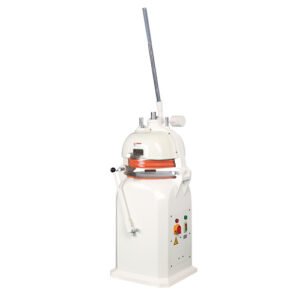
For bakeries, restaurants, hotels, cafes, central kitchens, and commercial food preparation facilities, dough preparation has a direct impact on product consistency, kitchen workflow, and daily production control. When dough is portioned and rounded by hand, the process can become slow, inconsistent, and physically demanding, especially during busy preparation periods. A commercial semi automatic dough divider rounder machine is designed to support a more organized bakery workflow by helping operators divide and round dough with greater consistency and less manual handling.
Unlike a basic dough divider that only separates dough into portions, a dough divider rounder machine combines two important preparation steps: dough dividing and dough rounding. This makes it especially useful for businesses that prepare bread rolls, buns, burger buns, dinner rolls, dough balls, and other round dough products. For commercial kitchens that need a reliable bakery dough processing machine, this type of equipment can help improve preparation flow while keeping operation practical for daily use.
This guide explains how a semi automatic dough divider rounder works, which commercial environments can benefit from it, what problems it helps solve, and how to compare it with other dough processing equipment before making a purchasing decision.
What Is a Commercial Semi Automatic Dough Divider Rounder Machine?
A commercial semi automatic dough divider rounder machine is bakery machinery used to divide prepared dough into consistent portions and then round those portions into uniform dough balls. The semi automatic design usually means the machine assists with pressing, dividing, and rounding while still allowing the operator to control loading, handling, and workflow. This balance makes it suitable for commercial kitchens that need improved efficiency without moving into a fully automated production line.
A Two-Step Dough Preparation SolutionThe machine supports both dough portioning and dough ball shaping. This helps kitchens reduce separate manual steps and create a more consistent preparation process for bakery products that require rounded dough portions. Best suited for commercial bakery operations where consistent dough size and smooth rounded shape are important for product appearance and baking quality.
|
For many commercial kitchens, this machine sits between manual dough preparation and large automated dough processing systems. It is a practical option for operators who want better consistency, improved staff efficiency, and a more professional dough preparation process without overcomplicating the kitchen layout.
Which Commercial Kitchens Can Use a Dough Divider Rounder?
A semi automatic dough divider rounder can support different commercial food service environments. The best fit depends on the type of dough products being prepared, the kitchen workflow, and the level of consistency required.
Retail Bakeries and Bread ShopsRetail bakeries often need to prepare many dough portions with consistent shape and size for display products. A bakery dough divider rounder helps create uniform dough balls for buns, rolls, and other bakery items, supporting a more professional product appearance. Useful for shops that want more consistent preparation without relying entirely on hand portioning and hand rounding.
|
Restaurants and Cafe KitchensRestaurants and cafes that prepare bread products, sandwich buns, burger buns, rolls, or dough-based menu items can use a dough ball divider rounder to make preparation more organized. It can help maintain a consistent portion standard across different shifts and operators. Suitable for commercial kitchens that need dependable dough preparation equipment for daily food service operations.
|
Hotels and Commercial Kitchen OperationsHotel kitchens often prepare bakery items for breakfast service, banquets, buffet stations, and restaurant outlets. A commercial dough divider rounder machine can help kitchen teams keep dough preparation consistent across different service needs. Helpful for hotel kitchens that require steady preparation standards and repeatable product quality.
|
Central Kitchens and Food Preparation FacilitiesCentral kitchens and commercial food preparation facilities need structured workflow, repeatable results, and efficient staff allocation. A semi automatic dough dividing and rounding machine helps standardize dough preparation before proofing, baking, or further processing. A practical choice for operators managing repeated dough preparation tasks across commercial food service production.
|
What Kitchen Challenges Can This Machine Help Improve?
Dough preparation is not only about cutting dough into pieces. In a busy commercial kitchen, the real challenge is keeping every portion consistent while managing staff time, production flow, cleaning tasks, and product appearance. A semi automatic dough divider rounder helps improve several everyday kitchen challenges.
Inconsistent Dough PortionsHand portioning can create variations between dough pieces, especially when different staff members handle the same preparation task. A commercial dough portioning machine supports a more consistent dividing process, helping each dough piece follow a more uniform standard before rounding and proofing. More consistent dough portions can support more stable baking results and better product presentation.
|
Slow Manual Rounding WorkRounding dough by hand requires skill, attention, and repeated motion. When production demand increases, this task can slow down the preparation line. A dough rounder machine assists with shaping dough portions, helping staff complete preparation with a more efficient workflow. This is especially helpful for kitchens that prepare round dough products repeatedly throughout the working day.
|
Workflow Interruptions During PreparationWhen dividing, weighing, and rounding are handled as separate manual steps, the preparation area can become congested. A semi automatic dough divider rounder combines key steps into one station, helping operators keep dough processing more organized. A more organized preparation station can help kitchens manage staff movement and reduce unnecessary handling.
|
Different Results Between OperatorsManual dough shaping depends heavily on operator experience. A bakery dough divider rounder provides a more repeatable process, making it easier for kitchens to maintain product consistency even when different staff members are assigned to preparation work. This can support smoother staff training and more reliable day-to-day bakery preparation.
|
How Does It Support Better Bakery Workflow?
A commercial semi automatic dough divider rounder machine can improve workflow by reducing repeated manual tasks and supporting a clearer sequence from dough mixing to proofing and baking. In a commercial bakery or kitchen, the value is not limited to the machine itself. It also affects how staff arrange preparation tasks and how consistently products move through the production process.
From Mixing to PortioningAfter dough mixing, the next preparation stage often involves dividing bulk dough into smaller portions. A semi automatic dough divider rounder helps standardize this step so operators can move dough forward with less repeated weighing and shaping. This supports a more predictable preparation routine for bread, buns, rolls, and dough ball production.
|
From Rounding to ProofingRounded dough pieces are easier to arrange, proof, and handle in a commercial bakery workflow. By helping create smoother, more consistent dough balls, the machine supports the next preparation stages and helps reduce irregular product shapes. A more consistent dough shape can help improve product presentation after baking.
|
From Preparation to ServiceWhen dough preparation is more controlled, the kitchen can better support service needs. Restaurants, cafes, and hotel kitchens can prepare bakery items with a more repeatable process, helping the team maintain menu consistency across busy operating periods. This makes the machine a useful part of a commercial kitchen equipment plan for businesses that rely on regular dough production.
|
How Does a Semi Automatic Dough Divider Rounder Compare With Other Dough Equipment?
Before choosing bakery equipment, it is helpful to compare different types of dough processing machines. Each option serves a different preparation purpose. The best choice depends on whether your kitchen needs dividing only, rounding only, or a combined dough dividing and rounding process.
| Equipment Type | Main Function | Suitable Kitchen Use | Selection Notes |
|---|---|---|---|
| Manual Dough Divider | Divides dough into portions with manual operation | Smaller commercial kitchens, bakeries, and food preparation areas with lower automation needs | A practical choice when the kitchen needs dough portioning but can handle shaping separately |
| Electric Dough Divider | Assists dough dividing with powered operation | Commercial bakeries and kitchens that need more efficient dough portioning | Useful when dividing speed and operator convenience are key priorities |
| Dough Rounder Machine | Rounds divided dough portions into dough balls | Bakeries and food service kitchens that already have a separate dough dividing process | A good fit when the main challenge is shaping rather than portioning |
| Semi Automatic Dough Divider Rounder | Combines dough dividing and rounding in one workflow | Bakeries, restaurants, cafes, hotels, central kitchens, and commercial food preparation facilities | Suitable when the kitchen needs more consistent portions and rounded dough shapes with practical operation |
| Automated Dough Processing Line | Connects multiple dough preparation stages in a larger production layout | Large-scale commercial food production environments with continuous workflow requirements | Best evaluated as part of a complete production system rather than a single machine purchase |
What Should Buyers Consider Before Choosing a Dough Divider Rounder?
Choosing the right commercial dough divider rounder machine is not only about selecting a machine that looks suitable. Buyers should also consider dough types, product range, available space, cleaning routine, staff training, and the role of the machine within the wider bakery workflow.
Product Range and Dough StyleDifferent bakery products require different dough handling. Before choosing a dough divider rounder, consider whether your kitchen mainly prepares buns, rolls, dough balls, bread portions, or other rounded dough products. The equipment should match the product style your kitchen prepares most frequently. The right machine should support your actual menu and production routine instead of adding unnecessary complexity.
|
Kitchen Layout and WorkflowA commercial bakery machine should fit naturally into the preparation area. Consider where the machine will be placed between dough mixing, proofing, and baking. A well-planned position can help staff move dough through the kitchen with fewer interruptions. Good equipment placement helps the machine become part of the workflow rather than an obstacle in the preparation area.
|
Operation and Staff TrainingA semi automatic dough divider rounder should be straightforward for trained kitchen staff to operate. Clear operation steps help reduce dependency on highly experienced manual dough shaping skills and support more consistent preparation across different shifts. Simple operation is especially valuable for commercial kitchens with rotating teams or multiple preparation staff.
|
Cleaning and Daily MaintenanceBakery equipment used with dough should be easy to access for routine cleaning. Buyers should consider how operators will remove dough residue, wipe contact areas, and keep the machine ready for the next preparation cycle according to kitchen hygiene procedures. A cleaning-friendly design can help support smoother daily kitchen management and better long-term equipment care.
|
Why Does Consistent Dough Portioning Matter in Commercial Kitchens?
Consistent dough portioning influences several parts of bakery production. Dough pieces that are closer in size and shape are easier to proof, arrange, and bake with a more predictable result. This matters for commercial kitchens where customers expect products to look and feel consistent every time.
Product AppearanceWhen dough balls are more uniform, finished products can look more consistent in the display case, on a buffet line, or on a restaurant plate. This supports a more professional impression for customers. Consistent appearance is important for bakeries, cafes, hotels, and restaurants that want reliable presentation across their menu.
|
Preparation ControlA more controlled dough preparation process helps kitchen managers standardize tasks and reduce variation between different operators. This is useful for businesses that need repeatable preparation procedures across daily production. Better preparation control supports smoother kitchen management and more dependable product quality.
|
Staff EfficiencyBy reducing repeated hand dividing and rounding, the machine allows kitchen staff to spend more attention on other preparation tasks. For many commercial kitchens, this can make daily bakery work feel more organized and less dependent on continuous manual shaping. The goal is not only faster work, but a cleaner and more repeatable preparation process.
|
Where Does This Machine Fit in a Complete Bakery Equipment Setup?
A commercial semi automatic dough divider rounder machine is often used as part of a wider bakery equipment setup. It can work alongside dough mixers, proofing equipment, bakery ovens, worktables, and other commercial kitchen equipment. Its role is to improve the preparation stage between dough mixing and final shaping or baking.
| Workflow Stage | Common Equipment | How the Dough Divider Rounder Supports the Stage |
|---|---|---|
| Dough Mixing | Commercial dough mixer | Receives prepared dough for portioning and rounding after mixing is complete |
| Dough Portioning | Semi automatic dough divider rounder | Divides dough into more consistent portions and shapes them into rounded dough pieces |
| Dough Resting or Proofing | Proofing equipment or preparation trays | Provides more uniform dough pieces that are easier to arrange and handle |
| Baking or Final Preparation | Commercial bakery oven or kitchen oven | Supports more consistent product preparation before baking or finishing |
Frequently Asked Questions
What is the difference between a dough divider and a dough divider rounder?
A dough divider focuses on separating dough into portions, while a dough divider rounder supports both portioning and rounding. For kitchens that prepare buns, rolls, and dough balls, a commercial dough divider rounder can reduce separate hand shaping work and help create a more consistent dough preparation process.
Is a semi automatic dough divider rounder suitable for restaurants and cafes?
Yes, it can be suitable for restaurants and cafes that prepare bread products, burger buns, rolls, or other rounded dough items as part of their commercial menu. It is especially useful when the kitchen needs repeatable dough preparation across different staff members and operating shifts.
How should a buyer choose the right commercial dough divider rounder machine?
Buyers should consider the type of dough products prepared, the kitchen layout, cleaning access, staff operation needs, and how the machine fits between dough mixing, proofing, and baking. A suitable machine should match the actual production workflow rather than only focusing on machine appearance.
Does a dough divider rounder help improve product consistency?
A dough divider rounder supports a more consistent process for portioning and rounding dough. This can help commercial kitchens maintain more stable product shape and preparation standards, especially when different operators are involved in daily production.
What commercial settings commonly use this type of bakery equipment?
Common commercial settings include bakeries, bread shops, restaurants, cafes, hotel kitchens, central kitchens, catering preparation areas, and food preparation facilities. The machine is most relevant where dough is prepared regularly and consistent rounded portions are required.
What affects the cost of a commercial dough divider rounder?
The cost can be influenced by construction quality, operation type, machine configuration, material selection, production suitability, and supplier service support. Buyers should evaluate the complete equipment value, including daily usability, cleaning access, spare parts support, and long-term fit for the kitchen workflow.
Looking for a Practical Dough Dividing and Rounding Solution?
Explore commercial bakery equipment for bakeries, restaurants, cafes, hotels, central kitchens, and food preparation facilities. Contact us to discuss your kitchen workflow and equipment requirements.
