
How to Choose a Commercial Baguette Moulder for Bakery Production
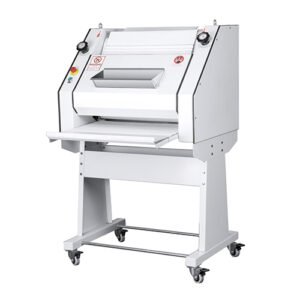
For bakeries, restaurants, cafes, hotels, central kitchens, and food service production teams, consistent bread shaping is not only about appearance. It affects workflow, staff training, product presentation, and the ability to keep production organized during daily service. A commercial baguette moulder helps professional kitchens shape baguette-style dough with a more controlled process, making it a practical piece of bakery equipment for operations that handle bread production on a regular basis.
When customers search for a baguette moulder, baguette shaping machine, bread moulder, dough moulder, bread molding machine, toast moulder, or commercial bakery equipment, they are often trying to solve the same operational question: how can a kitchen produce bread products more consistently without relying only on individual hand skills? This guide explains where a commercial baguette moulder fits, which food service businesses can use it, and what to consider before adding one to your bakery production area.
A commercial baguette moulder is most useful when a kitchen needs repeatable shaping, cleaner workflow, easier staff operation, and a more professional bread presentation across daily production.
What Is a Commercial Baguette Moulder Used For?
A commercial baguette moulder is a bakery machine designed to help shape dough into baguette-style or long bread forms. In a professional kitchen, this type of dough shaping machine is used after dough preparation and before proofing or baking steps. Its purpose is to support a more consistent forming process, especially when the kitchen needs regular output and standardized product appearance.
Unlike fully manual shaping, a baguette shaping machine gives operators a more structured way to process dough pieces. This can be helpful for bakery shops that want similar product sizes on display, restaurants that serve house-made bread, cafes that add bread items to their menu, hotels with breakfast or buffet service, and central kitchens that prepare bread products for multiple outlets.
Core Role in a Bakery WorkflowThe machine supports the dough forming stage for baguette-style bread, helping commercial kitchens create a more consistent shaping process while keeping the production area organized and easier to manage. |
Which Commercial Kitchens Can Use a Baguette Shaping Machine?
A baguette moulder is not limited to one type of bakery. It can support different food service environments where bread production needs to be clear, repeatable, and suitable for daily operation. The right application depends on menu structure, available kitchen space, staff skills, and how frequently the business produces baguette-style or long bread products.
Bakery ShopsIndependent bakery shops can use a bread moulder to improve product presentation and reduce variation between batches. It is especially useful when the shop sells baguettes, long rolls, sandwich bread formats, or similar products that require consistent shape. |
RestaurantsRestaurants that produce bread for table service, sandwiches, tasting menus, or bakery-style items can use a baguette shaping machine to keep bread preparation more organized and less dependent on one experienced staff member. |
CafesCafes that offer sandwiches, toast items, brunch bread, or takeaway bakery products may benefit from commercial bread making equipment that helps keep product shape more uniform for display and service. |
Hotels and Catering KitchensHotel kitchens and catering production areas often need dependable preparation processes for breakfast service, banquets, and food service programs. A dough moulder can support a more standardized bread preparation flow. |
Central KitchensCentral kitchens need equipment that supports repeatable production across different outlets. A baguette production machine can help maintain a more consistent process when bread items are supplied to multiple service points. |
Bread Production WorkshopsBread production teams can use bakery machinery to organize shaping work, support staff training, and reduce irregularities that can appear when shaping is handled only by hand. |
What Kitchen Challenges Can a Bread Moulder Help Address?
In many commercial kitchens, bread quality is influenced by staff experience, dough handling habits, work speed, and the pressure of service. A commercial baguette moulder does not replace good production planning, but it can make one important stage of the workflow easier to control.
| Kitchen Situation | Operational Impact | How a Baguette Moulder Helps |
|---|---|---|
| Different staff shape dough differently | Finished bread may vary in shape, surface appearance, and display consistency. | The machine gives staff a more repeatable shaping process for baguette-style dough. |
| Training new staff takes effort | New operators may need time to develop consistent hand shaping skills. | A structured dough shaping machine can make operation easier to explain and repeat. |
| Bread display needs a professional look | Uneven products can affect how customers perceive the bakery counter or food display. | More consistent shaping supports a cleaner and more organized product presentation. |
| Production flow becomes difficult to manage | Manual shaping can become a bottleneck when multiple tasks compete for attention. | Dedicated bakery equipment helps separate and organize the shaping step. |
Why Does Consistent Dough Shaping Matter in Commercial Bakery Work?
Customers judge bread with their eyes before they taste it. In a bakery display, cafe counter, hotel buffet, or restaurant bread service, a clean and consistent shape helps communicate professionalism. For operators, consistency also makes internal workflow easier. When products are shaped in a more predictable way, staff can arrange trays, plan proofing space, and manage production steps with fewer surprises.
A baguette moulder is especially relevant for businesses that want to move from skill-dependent hand forming toward a more standardized process. This does not remove the value of experienced bakers. Instead, it gives the team a practical tool that supports repeatability, making it easier for different operators to follow the same production approach.
Key Advantages for Daily OperationMore consistent baguette-style shaping for commercial bread production. Cleaner workflow for bakeries, central kitchens, restaurants, cafes, and hotels. Easier staff operation compared with relying only on hand shaping experience. |
How Does a Baguette Moulder Fit into a Bakery Production Line?
A commercial bakery production line may include dough mixing, dividing, resting, shaping, proofing, and baking steps. The baguette moulder belongs to the shaping stage. For kitchens that already use commercial bakery equipment, adding a dough shaping machine can help make the production flow more balanced by reducing manual variation at a key point in the process.
For smaller bakery shops or cafe kitchens, the machine may be used as a standalone bread molding machine within a compact workflow. For central kitchens or bread production workshops, it may be part of a broader bakery production line. In either case, the main value is to make shaping easier to control and easier to repeat.
| Production Area | Equipment Role | What to Check Before Buying |
|---|---|---|
| Bakery shop production area | Supports daily baguette-style dough forming for retail display and service. | Available floor space, menu demand, staff operation habits, and cleaning access. |
| Restaurant or cafe kitchen | Helps prepare bread items for service, sandwiches, and counter products. | Menu fit, kitchen layout, operator training, and placement near dough preparation steps. |
| Hotel or catering kitchen | Supports organized bread preparation for food service programs and event kitchens. | Service schedule, product range, staff workflow, and storage around the production area. |
| Central kitchen or bread workshop | Provides a more standardized shaping step for repeated production tasks. | Workflow sequence, operator access, cleaning process, and compatibility with other bakery machinery. |
What Should Buyers Consider Before Choosing Commercial Bakery Equipment?
Choosing a baguette moulder is not only about selecting a machine name. Professional buyers should consider how the equipment will work inside the existing kitchen. A good purchasing decision starts with the products you make, the space you have, the staff who will use the machine, and the level of consistency your operation needs.
Product RangeReview whether your menu includes baguette-style bread, long rolls, sandwich bread formats, or similar dough products. The closer the machine matches your product range, the more useful it becomes in daily operation. |
Kitchen LayoutThe machine should fit naturally into the dough preparation area. Operators need comfortable access for feeding, receiving, cleaning, and routine use without disrupting nearby workstations. |
Staff OperationA practical bread moulder should support clear operation steps. This helps kitchens train staff more smoothly and keeps the shaping process easier to repeat across different shifts. |
Cleaning and Maintenance AccessCommercial kitchen equipment should be placed and operated with cleaning access in mind. Before purchase, consider how staff will clean the contact areas and inspect the machine during routine operation. |
Manual Shaping or Baguette Moulder: Which Is Better for Your Kitchen?
Manual shaping remains valuable in artisan bakery work, especially where a small team has strong hand skills and a limited product range. However, for commercial kitchens that need more repeatable operation, a baguette moulder can be a practical addition. The goal is not to remove craftsmanship, but to support consistency and reduce variation in the most repetitive shaping tasks.
| Option | Best Fit | Considerations |
|---|---|---|
| Manual shaping | Small production, highly flexible product styles, and teams with strong hand shaping experience. | Results may depend heavily on individual skill, working speed, and staff availability. |
| Commercial baguette moulder | Bakery shops, restaurants, cafes, hotels, central kitchens, and bread workshops needing repeatable shaping. | Requires suitable placement, staff training, and proper cleaning routines as part of professional kitchen management. |
How Can a Dough Moulder Improve Staff Workflow?
In a busy commercial kitchen, staff may handle mixing, dividing, shaping, proofing, baking, display, and service preparation in the same shift. When dough shaping is inconsistent or too dependent on one skilled person, the whole workflow can become harder to manage. A dough moulder gives the team a defined shaping step that is easier to assign, explain, and repeat.
This can be especially helpful for operations with rotating staff or multiple production shifts. A baguette shaping machine gives operators a consistent process to follow, which can reduce confusion and help managers maintain a more organized bakery production line.
Where the Convenience Comes FromA clearer shaping process for new and existing staff. More organized movement between dough preparation and proofing steps. A more stable approach to product presentation across repeated production tasks. |
What Makes a Commercial Bread Moulder Suitable for Professional Use?
Professional kitchens need machines that match real operating conditions. A commercial bread moulder should be selected based on workflow compatibility, practical operation, equipment placement, cleaning needs, and after-sales communication. Buyers should also make sure that the product details are clearly provided by the supplier so the equipment can be evaluated against the kitchen’s requirements.
For restaurant equipment suppliers, food service equipment importers, commercial kitchen equipment dealers, and bakery equipment distributors, a baguette moulder is a focused product category with clear use cases. It serves buyers who need bread production equipment for commercial bakery environments rather than general-purpose kitchen machines.
How to Discuss Requirements with a Bakery Equipment Supplier
Before requesting a quotation, it is helpful to explain your kitchen type, bread products, available space, workflow, and purchase purpose. Clear communication helps the supplier recommend suitable bakery machinery and confirm whether the baguette moulder fits your operation.
| Information to Share | Why It Matters |
|---|---|
| Kitchen type | A bakery shop, restaurant, cafe, hotel kitchen, central kitchen, or bread workshop may have different layout and operation needs. |
| Bread product range | The supplier can better understand whether baguette-style dough shaping is the correct application. |
| Available space | Equipment placement affects operation, cleaning access, and overall kitchen movement. |
| Expected use case | Daily bakery production, menu expansion, outlet supply, and distributor purchase all require different sales support information. |
Frequently Asked Questions
Baguette moulder vs toast moulder: which machine is right for my bakery?
Choose a baguette moulder when your bakery needs to shape long bread products such as baguette-style dough. Choose a toast moulder when your production focuses on toast bread or loaf bread formats. The best option depends on your menu, bread shape, kitchen layout, and how the machine fits into your bakery production workflow.
Is a commercial baguette moulder suitable for restaurants and cafes?
Yes, it can be suitable for restaurants and cafes that prepare baguette-style bread, sandwich bread formats, or long bread products for service and display. The key is whether the kitchen has a regular need for consistent dough shaping and suitable space for the equipment.
What affects the price of commercial bakery equipment?
Price can be influenced by machine design, material configuration, application range, supplier support, packaging, shipping arrangement, and order requirements. Buyers should request a clear quotation based on their intended use and destination requirements without relying only on a product name.
How should a bakery choose the right bread shaping machine?
A bakery should consider product style, kitchen layout, staff operation, cleaning access, and the role of the machine in the production flow. For baguette-style dough, a dedicated baguette shaping machine is often more relevant than a machine designed for other bread formats.
What should buyers ask before ordering a baguette moulder?
Buyers should ask about product application, machine dimensions, power requirements, suitable dough range, packaging, after-sales communication, spare parts availability, and whether the equipment matches their commercial kitchen environment.
Ready to Add a Baguette Moulder to Your Bakery Production Area?
A commercial baguette moulder can be a practical choice for professional kitchens that want a clearer dough shaping process, more consistent bread presentation, and better organization in daily bakery work. Whether you operate a bakery shop, restaurant, cafe, hotel kitchen, central kitchen, or bread production workshop, choosing the right bakery equipment starts with understanding your products, space, and workflow.
If you are sourcing commercial bakery machinery, baguette production equipment, bread moulders, toast moulders, or dough shaping machines for professional food service environments, contact us to discuss product details and purchasing options.
Contact Us for Commercial Bakery Equipment
Send your kitchen requirements and product needs to receive more information about suitable bakery equipment for your operation.
